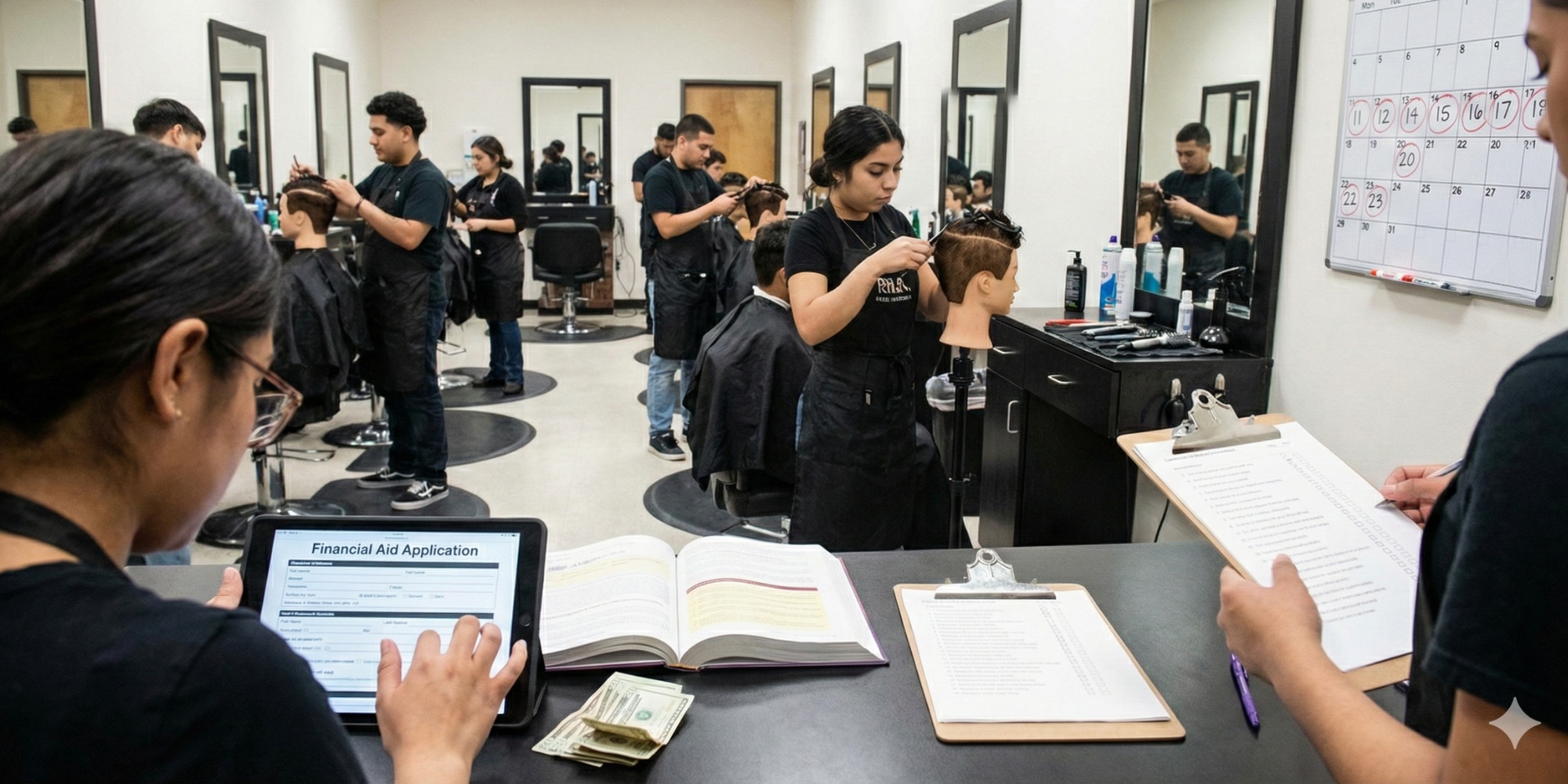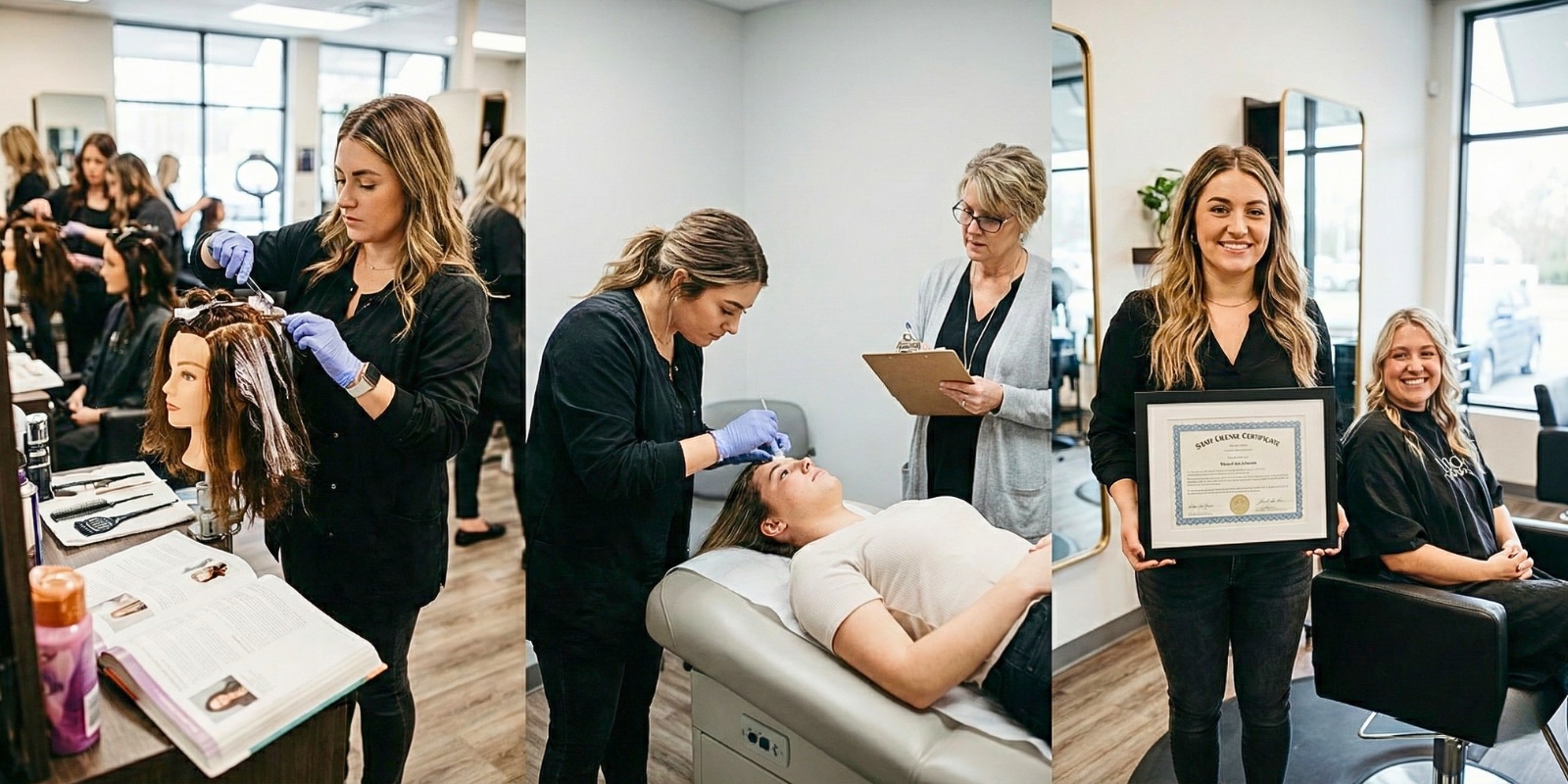
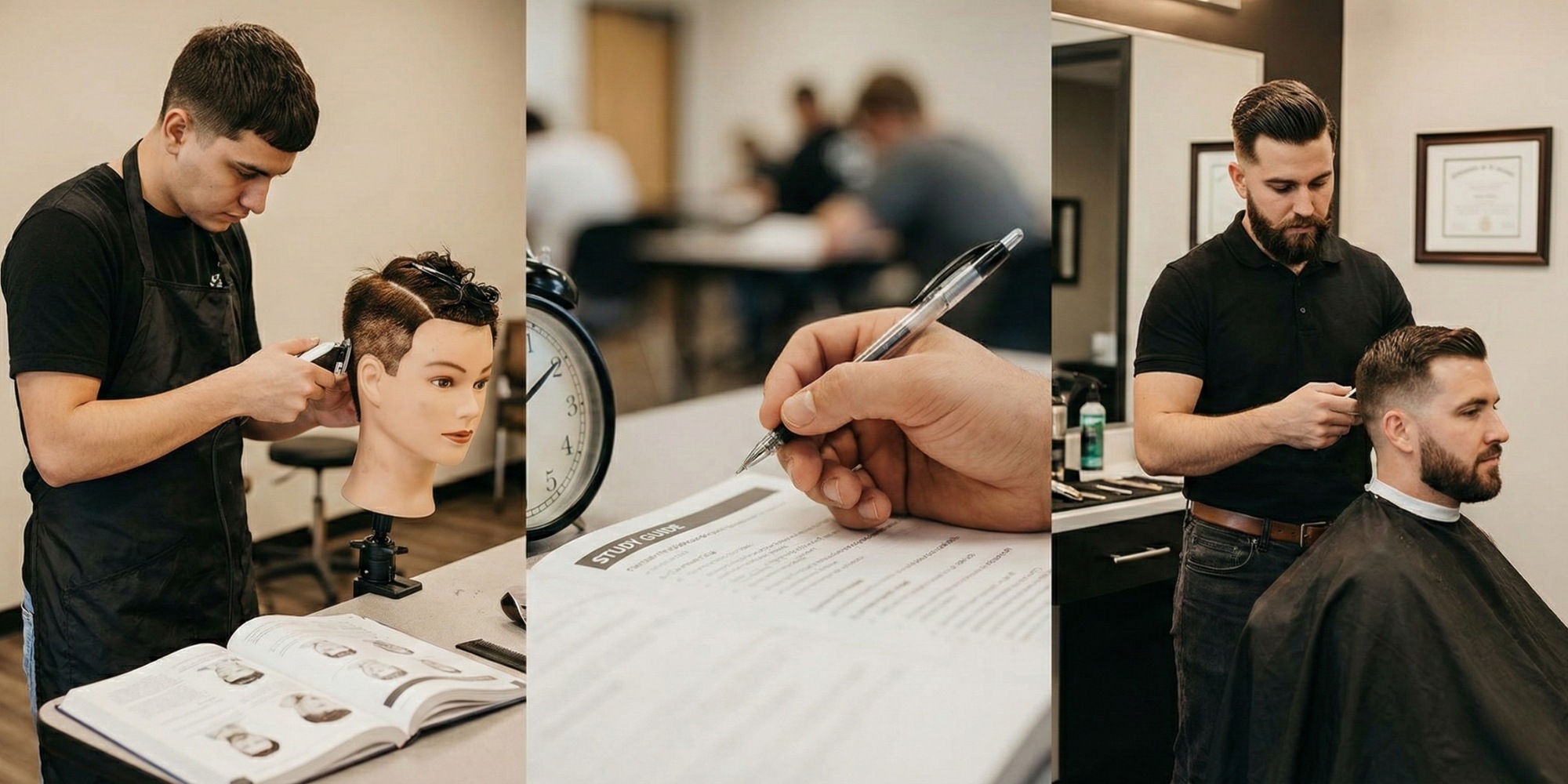
I’ve met countless people who have the natural talent to be incredible barbers – they’ve got the hand-eye coordination and the eye for detail – but they feel completely stuck when they start looking at state regulations. It’s easy to feel like the transition from a hobbyist to a professional is just a mountain of paperwork that gets in the way of your art.
However, in 2026, the industry has changed. Being good at what you do is the engine, but having your credentials is the fuel that actually lets you go somewhere. If you want a clear roadmap of the hours, applications, and exams involved, I highly recommend checking out this guide on how to become a barber before you take your next step.
Your License is a Shield for Your Business
Most people see barber license requirements as a hurdle to jump over. I prefer to look at them as a protective barrier for your income. According to the 2026 updates from the IDFPR, barbering license requirements now include specific training on different hair types and textures and a required abnormal skin growth education course.
When you meet the standards set by the board of barbering and cosmetology, you aren’t just checking a box. You are establishing yourself as a safe, reliable professional. In an era of social media influencers, your standing with the barbering and cosmetology board tells your clients and your insurance provider – that you are trained to handle more than just a haircut. You are a high-skill professional trained to spot medical issues like abnormal skin growths before they become a crisis.
What the Path to Licensure Actually Looks Like
While every state operates a bit differently, the process usually boils down to a very predictable checklist that I see most people follow:
- The Basics: Meeting age requirements and providing valid identification or health forms.
- Education: Completing the required training hours through a board-approved school or approved alternate pathway.
- Safety Training: Many states require specific certifications in sanitation or health separate from your main training.
- The Paperwork: Submitting your application package, paying the barbering license cost, and getting school verification.
- The Test: Passing a written theory exam and, in some states, a practical demonstration of your skills.
- Maintenance: Keeping up with barbering and cosmetology license renewal to ensure you stay legal and compliant.
For example, the Florida DBPR checklist outlines routes based on school hours and specific competencies. In New York, you must be at least 17 and provide a health certification from a physician with specific timing rules. Meanwhile, California has moved to a written-only exam, which shows how much the requirements can shift depending on where you live.
Handling the Stress of Exam Day
The biggest fear I hear about is the state board exam for barbering. People often worry that a written test can’t measure their actual skill. But the barbering exam in 2026 is designed to ensure you can protect your clients and your future career.
If you are stressed about how many questions are on the barber exam, the structure is usually quite manageable. According to the latest Board of Barbering and Cosmetology guidelines, the written theory test in California typically consists of 85 scored questions and 10 non-scored pre-test questions. You generally have about 120 minutes to finish it.
It is important to remember that not every state follows the same rules. While California removed the practical portion, many other states still require you to demonstrate your skills in person. Regardless of the format, the exam isn’t trying to see if you are a great artist; it is testing if you are a safe professional. The barbering state board focuses heavily on chemical safety and infection control. As mentioned in the 2026 Sunset Review Report, the primary goal is preventing consumer harm, such as chemical burns or the spread of disease.
The Real Value of Becoming Professional
I know it is easy to look at tuition and feel some sticker shock. But I always tell people to calculate the cost of the opportunities they are missing. While you might wonder how long it takes to get a barber license, consider that a program is often the only thing standing between you and the most profitable services in the shop.
Data from the BusinessDojo 2026 Industry Report shows that while standard cuts have a 55% margin, specialized services like precision beard sculpting and hot shaves – which require a license to perform legally – boast margins of over 80%.
Being professional also unlocks doors that stay closed to unlicensed workers:
- Ability to sign a commercial lease or rent a suite
- Eligibility for professional liability insurance
- Access to higher-end booking and payment platforms
- Pro-only pricing from major tool and product vendors
- The ability to hire a team without fearing a surprise inspection or fine
The Risks of Working Without a License
You will always find someone suggesting you can get by without a license by working out of a garage. In 2026, I believe the legal and financial stakes are just too high to take that risk.
1. Legal Consequences and Fines
In many states, barbering without a license is a criminal offense. In Florida, for example, it is treated as a second-degree misdemeanor, and the DBPR is required to report violations to prosecutors. In New York, unlicensed activity can lead to six months of imprisonment or heavy fines up to $500 for every single violation.
2. Risking a Permanent Ban
This is the part many people don’t realize: if you are caught practicing barbering without an active license, the board may permanently deny your application in the future. Agencies like the Texas Department of Licensing and Regulation can deny licenses to anyone they feel lacks good moral character, and working illegally is often at the top of that list.
3. Total Financial Liability
No insurance company will cover an unlicensed barber. If a client has a bad reaction to a chemical or gets an infection from a tool, you are personally liable for their medical bills. A single lawsuit can result in a judgment that follows you for years.
4. Digital Exclusion
According to Boulevard’s 2025 Trend Benchmarks, nearly half of all professional bookings happen through digital platforms. If you aren’t licensed, you are locked out of these professional systems, capping your income at a fraction of what a professional earns.
Getting the Training You Need
Before you can take the exam, you have to put in the hours. At Aiken School of Cosmetology and Barbering, I’ve seen how much difference it makes when you train in an environment that feels like a real shop.
We focus on making sure you are ready for the floor from day one. You aren’t just logging time; you are building the professional habits that clients actually pay for – consistency, speed, and communication. We want to help you move from being someone who just cuts hair to someone who runs a successful, legal business. We have been helping students build these careers for over 20 years, and we prioritize making sure you are prepared for the job market as soon as you finish.
If you are ready to see what the next chapter of your career looks like, you can find more information about how to get started on our Enrollment page.
I’d also love to help you with any specific questions you have about the process. Please use the contact form at the bottom of this article to leave your details, and one of our team members will get in touch with you as soon as possible.