


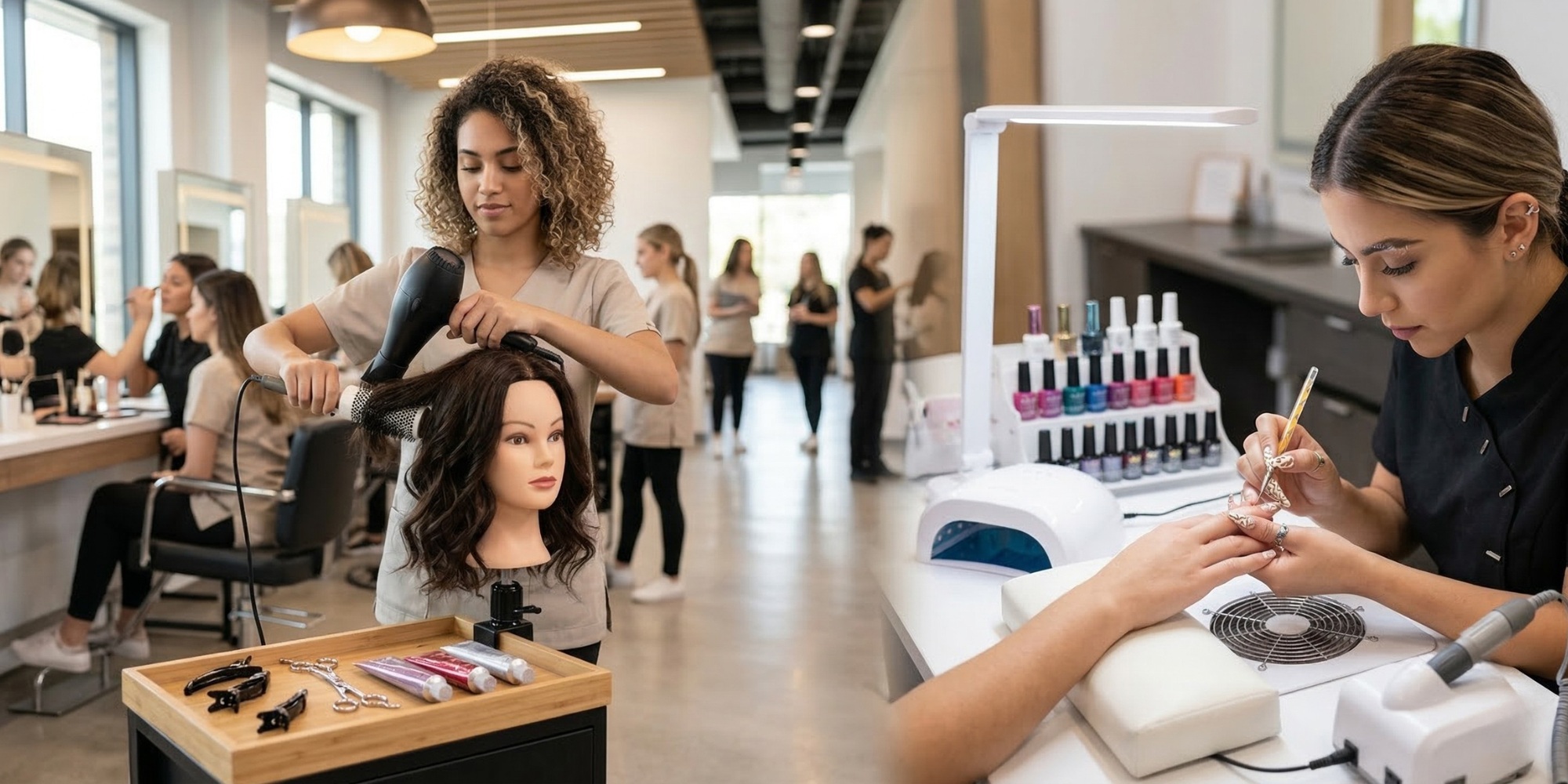
Starting a career in the beauty industry is an exciting move, but it really pays to have a plan. If you’re at the beginning of your journey, you’re likely weighing a cosmetology or nail technician program to see which one fits the lifestyle you want to build. I always tell my readers that this isn’t just about picking a school; it’s about deciding if you want to be a versatile “Beauty Polymath” who does it all or a “Technical Specialist” who masters one craft.
In 2026, the industry is rewarding those who have deep technical skill and a solid handle on sanitation. Your education is what determines how quickly you can get your license and how well you can protect your clients while using professional-grade products.
Key Takeaways for Your Career
- Speed to Market: A nail technology program is the fastest way to get your license and start your own business. In South Carolina, this only requires 300 hours of training.
- Market Resilience: The specialized nail market is incredibly strong right now. According to Technavio’s 2025-2029 Nail Salon Market Report, this sector is growing at a 10.7% CAGR, which is actually beating out many other beauty categories.
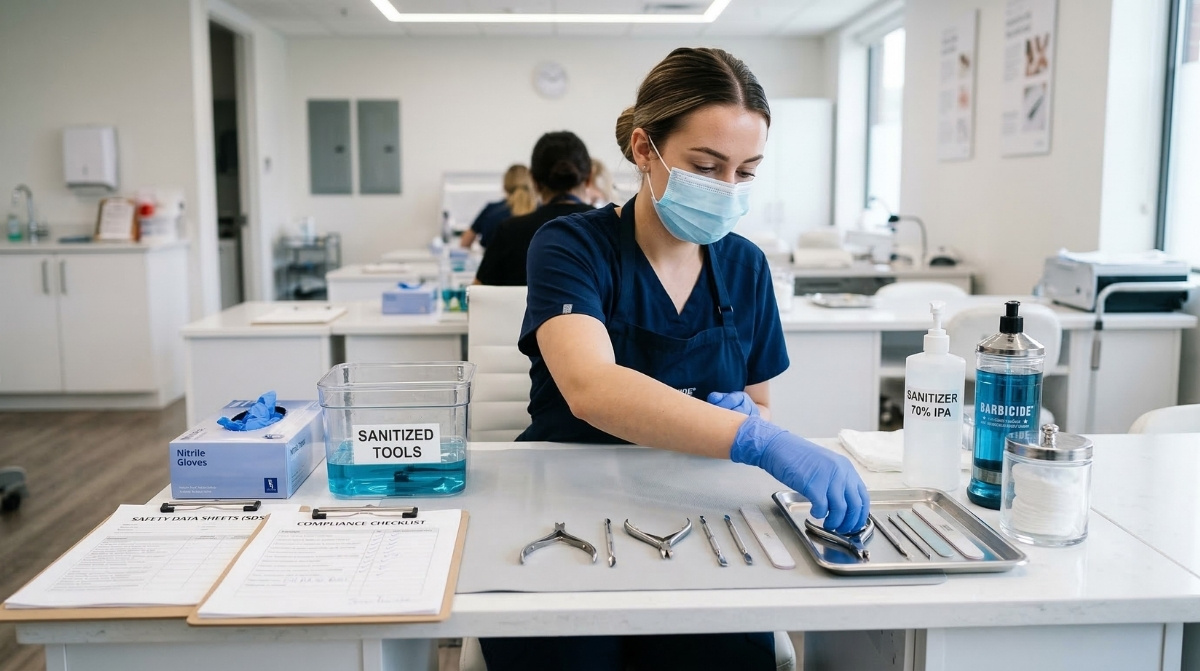
- Safety and Compliance: Professional training is how you build essential habits around chemical safety and state law. Understanding OSHA safety rules and federal oversight like MoCRA ensures you are operating at the highest professional standard.
- Earning Potential: Being a specialist often allows you to set premium prices, especially when you focus on high-end techniques and building a loyal client base.
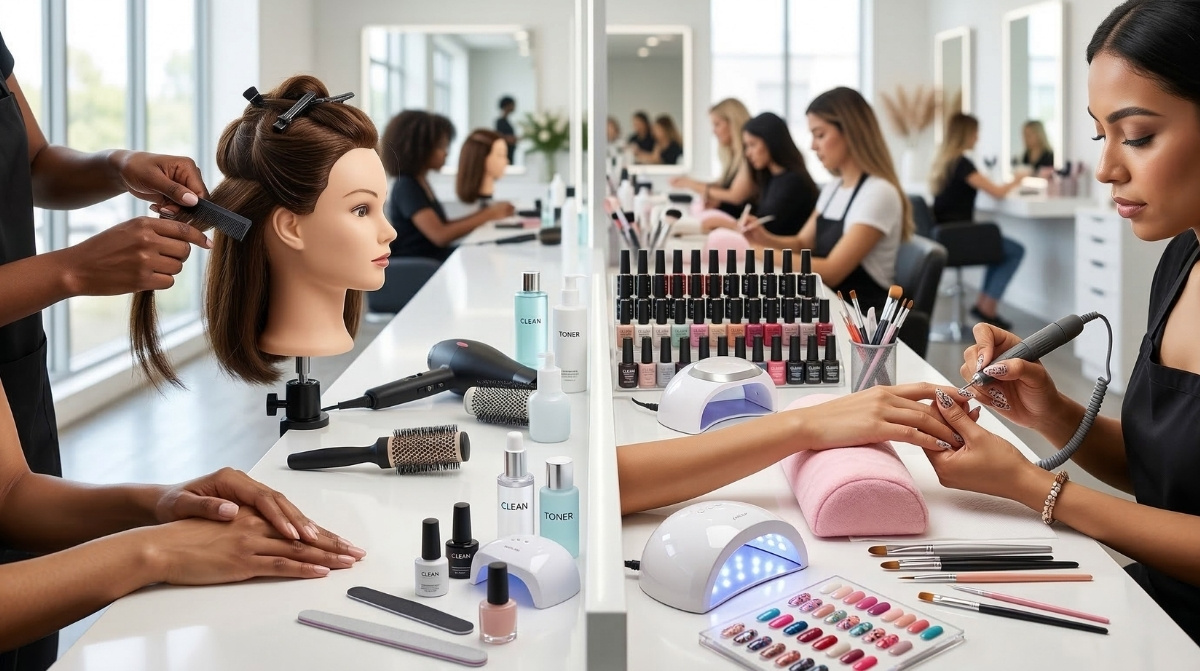
Generalist vs. Specialist: Which Path Fits You?
When I look at the difference between cosmetology and nail technology, I think the real question is how you want to work every day.
Cosmetology is the broader path. In South Carolina, this license requires 1,500 hours and prepares you to work with hair, skin, and nails. I love this option for anyone who wants “Chair Sovereignty” – the ability to change your service menu whenever a new trend hits the market. You get a deep dive into hair chemistry, skin physiology, and nail health.
On the other hand, a nail technology program is an intensive focus on just one area. By spending 300 hours on specialized training, you move much faster into the science of nails, covering everything from anatomy and product chemistry to infection control. If you want to see what this curriculum actually looks like, I recommend reading this 2026 beginner’s guide to nail technology, which breaks down exactly what you’ll master in the classroom.
Expert Insight: The 2026 Regulatory Shield
Beauty professionals are seeing more federal oversight these days under MoCRA. This law requires manufacturers and distributors to report any serious adverse events to the FDA. Separately, OSHA requires salons to keep Safety Data Sheets for any hazardous products on hand. A strong beauty program helps you understand these safety and sanitation rules, which is vital for your professional reputation.
Building Your Brand: Technician or Artist?
I think there’s often a gap between being a nail technician or nail artist. While your license is your legal foundation, your branding is what sets your ceiling.
In a professional nail tech program, you learn the “Why” behind the “How.” You’ll study things like nail structure and product chemistry to ensure you aren’t causing avoidable damage. A technician provides a service, but a nail artist provides a transformation. In 2026, I’m seeing more graduates use this foundation to launch specialized “Niche Studios” that focus on high-quality artistry.
If you choose the wider cosmetology path, your career options expand even further. It is worth exploring the various career paths you can take with a cosmetology license, as this can lead you into editorial styling, film sets, or even high-level education for major beauty brands.
Efficiency and the ROI of Your Time
If you want the fastest “Time-to-Income” ratio, the nail technology program is the clear winner. You can often finish your hours and be working behind a desk in just a few months. This is a great option for the entrepreneur who wants to start their own brand or salon suite without the time commitment of a longer program.
That said, I wouldn’t ignore the “Career Safety Net” that comes with cosmetology. While it takes longer to finish, you aren’t as affected by shifts in a specific niche. If you’re interested in how different licenses compare, you might also want to look at barbering vs. salon training to see which earning potential and daily scope fits you best.
Expert Insight: The $9.48 Billion Growth Paradox
The nail sector is currently experiencing a “Premiumization” trend. While general beauty growth is steady, data from Technavio’s 2025-2029 Nail Salon Market Report shows the specialized nail market expanding at a 10.7% CAGR. I’ve noticed that more and more consumers are seeking out “Specialty Boutiques” over standard all-in-one salons.

Mastery and Wellness-First Protocols
One thing that really sets a pro education apart in 2026 is the focus on biological integrity. While anyone can buy DIY kits now, they lack the technical knowledge needed to protect the nail.
I’ve been following recent literature that highlights a push for “Wellness-First” protocols. For instance, a 2020 study in Skin Appendage Disorders found that a specific nail-strengthening formulation improved nail hardness by 26.7% after 84 days. Additionally, a 2025 review on Advanced Dry Manicure Techniques suggests that dry protocols can reduce risks like excessive nail plate expansion caused by water. This kind of evidence-backed care is what makes you an authority in the industry.
So Which Path is Yours?
Choosing between a cosmetology or nail technician program is really about what you want to focus on:
- Choose Cosmetology if you want a complete education in hair, skin, and nails with the freedom to move between different services.
- Choose Nail Technology if you have a great eye for detail and want to launch your own specialized studio in record time.
In my view, your future isn’t about the license you hold – it’s about the level of mastery you claim.
Ready to Start Your Career?
The beauty industry in 2026 needs more than just workers; it needs visionaries who understand the craft. At Aiken School of Cosmetology and Barbering, we prepare you to bridge the gap between the classroom and the professional world. Whether you want to be a specialist or a versatile polymath, we are here to help you turn your goals into a sustainable career.
If you’re ready to see the difference for yourself, I invite you to visit our campus and meet our instructors. You can find out everything you need to know about getting started on our Enrollment page.
Don’t leave your future to chance. If you have questions or want to learn more, feel free to fill out the contact form at the bottom of this page. Let’s build your legacy together.
FAQ: The Professional Reality Check
What happens if I get a Nail Tech license but decide I want to do hair later?
You will need to re-enroll in a full cosmetology program. While some hours might transfer depending on the board, you usually have to complete the hair modules from scratch. I only recommend the “Specialist” path if you’re certain hair isn’t your primary interest.
Is the market oversaturated in 2026?
Demand remains very strong. The U.S. Bureau of Labor Statistics projects 7% employment growth for manicurists through 2034. In my experience, specialization and service quality matter much more than the number of salons in your area.
Does a cosmetology license allow me to work in a medical spa?
It’s a great foundation, but med-spa work is service-specific and often requires extra esthetics training or separate certifications depending on the equipment being used.