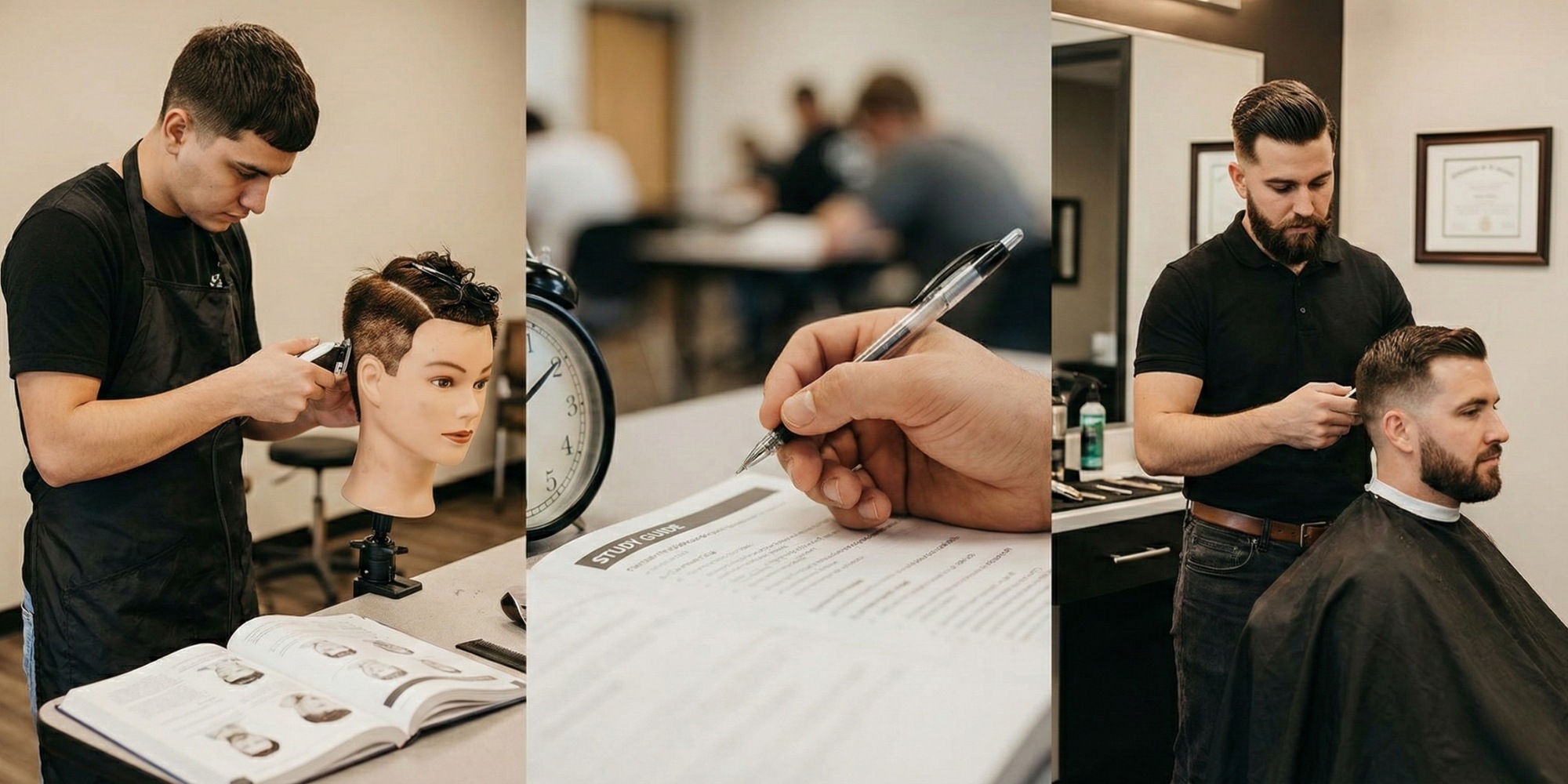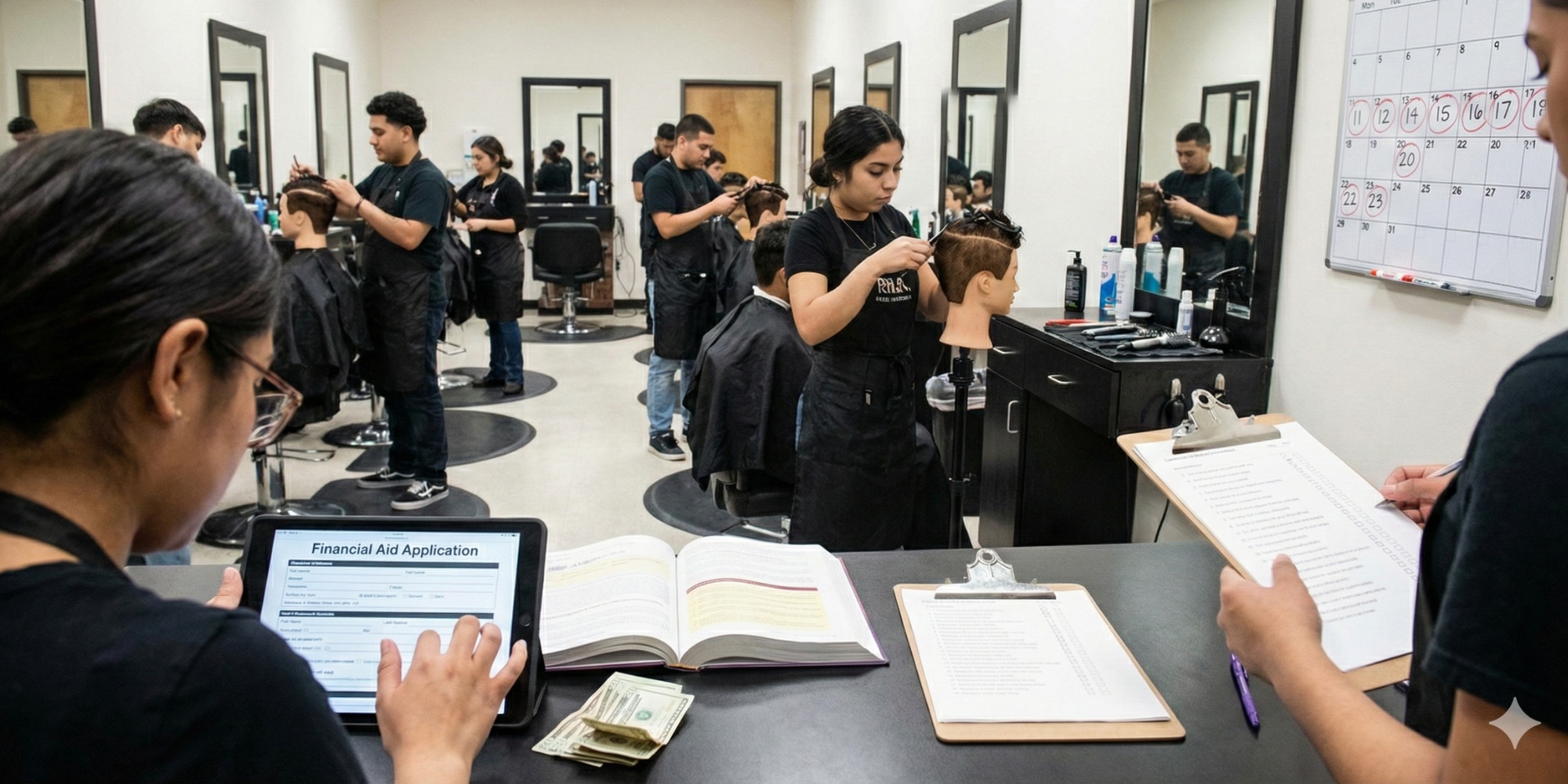
Barber vs Salon: Understanding the Real Difference in Training and Careers

You’re standing at a crossroads that feels more like a legal labyrinth. It’s a common anxiety: the fear that choosing one “side” of the industry – barbering or cosmetology – will permanently lock you out of the other. You aren’t just choosing a school; you’re choosing a daily lifestyle and a legal scope of practice.

In 2026, the traditional boundaries between a barbershop and salon are dissolving. Modern clients don’t categorize themselves by the sign on the door; they categorize themselves by the expertise of the professional. Whether you want to master the chemistry of hair color or the architectural precision of a straight-razor shave, I believe your first step is understanding which license provides the most leverage for your specific five-year plan.

Pro Tips for Future Pros

  • The Hybrid Advantage: In 2026, the highest earners are “Hybrid Specialists” who bridge the gap between clinical skin health and precision barbering.
  • License Mobility: The new Cosmetology Compact now allows professionals in participating states to practice across state lines without re-testing.
  • Market Growth: Male-focused grooming enrollments have surged by 21%, transforming “barbering” into a high-ticket wellness category.
  • The “Crossover” Shortcut: If you are already licensed in one field, I’ve found that you can typically earn your second license in just 200–400 hours.

The Legal & Technical Landscape (The “Safe” Choice)

The most common point of confusion is whether barbering falls under cosmetology in a legal sense. While they are “cousins,” they are governed by distinct sets of regulations. In the U.S., your state board dictates exactly which tools you can touch. Because this license covers everything from hair to nails, the range of careers you can pursue with a cosmetology license is surprisingly vast, allowing you to work in high-end spas, film sets, or even medical aesthetics offices.

Longevity in this field also requires a strategy for barbering and cosmetology license renewal. In 2026, staying “legal” means more than just paying a fee; it involves specialized continuing education. If you hold a dual license, you’ll double your compliance requirements, but you also triple your marketability. You become the professional who never has to say “no” to a client’s request.

💡 Expert Insight: The 2026 Multistate Compact

The era of being “trapped” in one state is over. According to the Alabama Board of Cosmetology & Multi-State Regulatory Update, the Cosmetology Compact has officially gone live. This landmark agreement allows professionals in participating states like AZ, CO, TN, and KY to maintain a multistate license. This gives you the freedom to move your career across state lines without the bureaucratic nightmare of re-testing. Your education is now a mobile, national asset.

Training & Skill Sets (The “Expert” Choice)

Inside a barbering and cosmetology school, the curricula diverge quickly. A cosmetology program is essentially a “Head-to-Toe” doctorate in aesthetics. You’ll study the lipid barrier of the skin and the complex chemistry of pH-balanced color. You aren’t just “doing hair”; you’re performing clinical-grade exfoliation during facials and managing the structural integrity of the hair fiber.

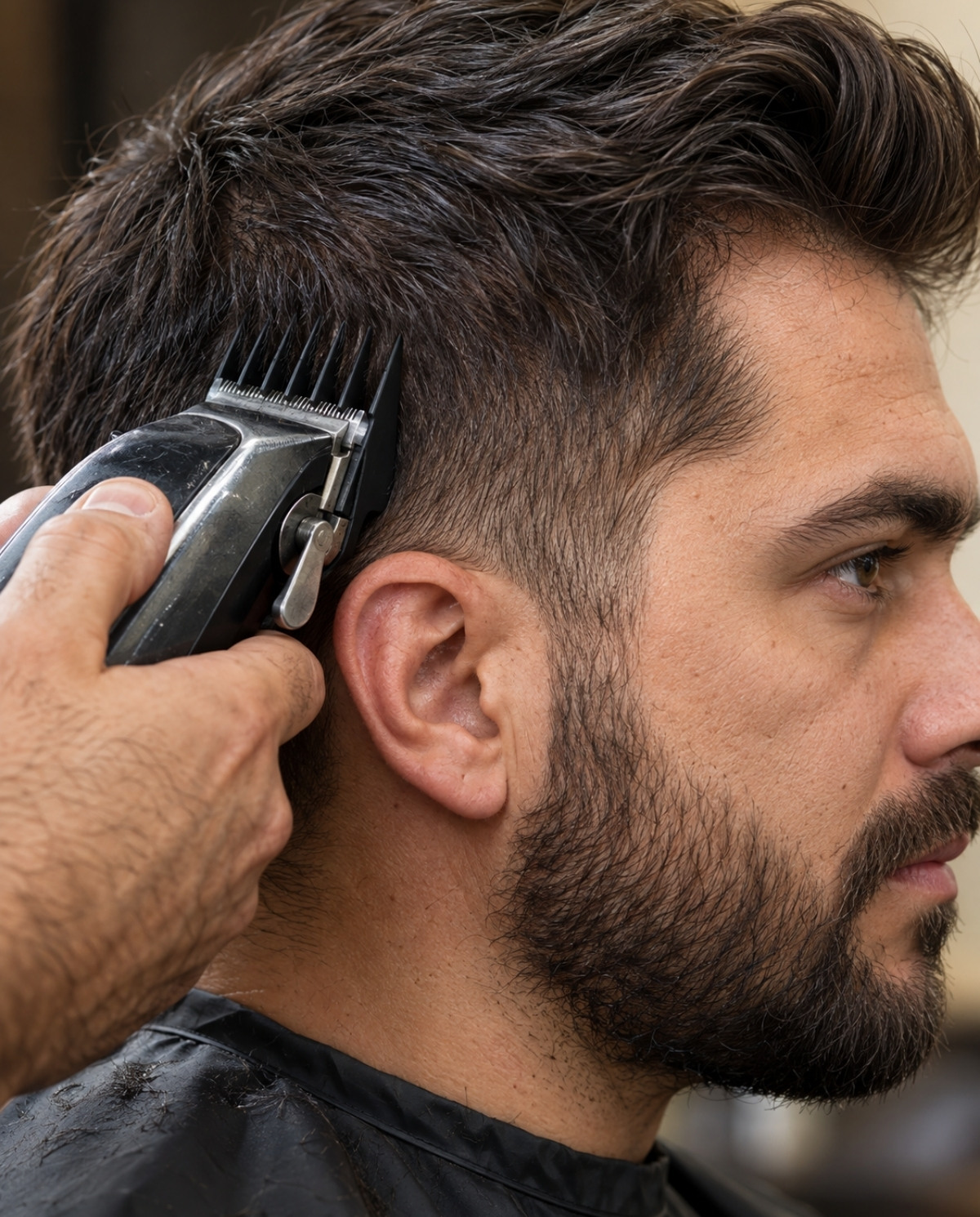
Conversely, the barbering vs haircut distinction is about the tool, not just the length of the hair. Barbering is the art of the blade. It focuses on the architecture of the face and male-pattern hair growth.

I’ve noticed a massive shift in the classroom demographic recently. According to Global Growth Insights, there has been a 21% surge in male-focused enrollments. This isn’t just about “buzz cuts”; it’s about a new generation of students realizing that “Male Grooming” is now a high-ticket skincare category. If this artistic precision speaks to you, it’s helpful to look at a step-by-step guide on how to become a barber to see how these skills translate into a professional roadmap.

The “Hybrid” Career Strategy (The “Power” Move)

The most lucrative professionals in 2026 are “Hybrid Specialists.” While you can do a lot with a cosmetology license, many find themselves asking: can you be a barber with a cosmetology license? The answer is usually yes for cutting, but “no” for the straight razor. This legal gap is why I see so many pros seeking a barber license after cosmetology.

If you’re already licensed in one, don’t panic about “sunk costs.” Getting barber license after cosmetology (or vice versa) is often streamlined through “Crossover” programs. These allow you to apply your existing hours toward a second credential, typically requiring only 200–400 additional hours. This “bridge” strategy is the fastest way to ensure you can legally provide every service from a balayage to a hot-towel shave. However, even with crossover credits, you’ll want to review the details on barbering college tuition and tools to ensure the program requirements align with your current schedule.

💡 Expert Insight: The Medicalization of the Scalp

The 2026 market has shifted from “beauty” to “wellness.” Reports from America’s Beauty Show highlight that “Trichology-light” services – like biotech scalp treatments and peptide-infused serums – are the fastest-growing revenue streams in the industry. Clients are now willing to pay a premium for scalp health that goes beyond a standard shampoo. Mastering this “clinical” side of the chair is what separates a $50 stylist from a $150 specialist.

Salon vs. Barbershop (The “Lifestyle” Choice)

The barbershop and salon difference is ultimately about your preferred “flow.” Barbershops often thrive on high-volume, social environments and “walk-in” culture. Salons are typically appointment-based, focusing on long-form transformations that can take hours.

The numbers back up a specialized approach. The Bureau of Labor Statistics (BLS) 2025 Update indicates that while barbers often have a higher median hourly wage than general stylists, the real growth is in specialized Skincare Specialists, which are projected to outpace generalists. By combining barbering and hairdressing techniques, you position yourself in the highest-earning bracket of the industry.

Ready to Master Your Craft and Build a Legacy?

Choosing a career in the beauty industry is about more than just learning to cut hair – it’s about claiming your place in a thriving, multi-billion dollar economy. At Aiken Beauty and Barber School, I believe in a “Salon Ready” approach designed to bridge the gap between being a student and becoming a pro.

We have spent years helping people in our community turn their passion into a career. Whether you are aiming for the high-ticket transformations of a salon or the precision-driven culture of a modern grooming lounge, I am here to help you make it happen.

If you’re ready to see how we do things, I’d love for you to find out more about our next steps on our Enrollment page. You can also fill out the contact form below this article to chat with us directly about your 2026 career goals. Let’s build your legacy together.

FAQ: Deep-Dive Professional Questions

Q: Does barbering fall under hospitality? A: Not exactly. While there is a major focus on service, barbering and cosmetology fall under the personal care and beauty sector. It requires specific state-mandated safety and health training that you won’t find in general hospitality.

Q: Can you do barbering with a cosmetology license? A: You can perform many of the same cuts, but in most states, you are restricted from using a straight razor for facial shaves. That is why the barbering of cosmetology crossover is such a popular move for pros who want to offer the full service menu.

Q: Is the beauty industry actually “recession-proof”? A: While no industry is 100% immune, “Personal Care” is consistently ranked as one of the most resilient sectors. People prioritize grooming even when they cut back on other luxuries.

Q: What is the benefit of the new 2026 Multistate Compact? A: It eliminates the need to pay for multiple state licenses or retake exams if you move to another participating “Compact” state, saving you thousands in fees and months of downtime.

How to Get Your Barbering License in 2026: A Full Guide to Requirements and State Board Exam Prep

I’ve met countless people who have the natural talent to be incredible barbers – they’ve got the hand-eye coordination and the eye for detail – but they feel completely stuck when they start looking at state regulations. It’s easy to feel like the transition from a hobbyist to a professional is just a mountain of paperwork that gets in the way of your art.

However, in 2026, the industry has changed. Being good at what you do is the engine, but having your credentials is the fuel that actually lets you go somewhere. If you want a clear roadmap of the hours, applications, and exams involved, I highly recommend checking out this guide on how to become a barber before you take your next step.

Your License is a Shield for Your Business

Most people see barber license requirements as a hurdle to jump over. I prefer to look at them as a protective barrier for your income. According to the 2026 updates from the IDFPR, barbering license requirements now include specific training on different hair types and textures and a required abnormal skin growth education course.

When you meet the standards set by the board of barbering and cosmetology, you aren’t just checking a box. You are establishing yourself as a safe, reliable professional. In an era of social media influencers, your standing with the barbering and cosmetology board tells your clients and your insurance provider – that you are trained to handle more than just a haircut. You are a high-skill professional trained to spot medical issues like abnormal skin growths before they become a crisis.

What the Path to Licensure Actually Looks Like

While every state operates a bit differently, the process usually boils down to a very predictable checklist that I see most people follow:

  • The Basics: Meeting age requirements and providing valid identification or health forms.
  • Education: Completing the required training hours through a board-approved school or approved alternate pathway.
  • Safety Training: Many states require specific certifications in sanitation or health separate from your main training.
  • The Paperwork: Submitting your application package, paying the barbering license cost, and getting school verification.
  • The Test: Passing a written theory exam and, in some states, a practical demonstration of your skills.
  • Maintenance: Keeping up with barbering and cosmetology license renewal to ensure you stay legal and compliant.

For example, the Florida DBPR checklist outlines routes based on school hours and specific competencies. In New York, you must be at least 17 and provide a health certification from a physician with specific timing rules. Meanwhile, California has moved to a written-only exam, which shows how much the requirements can shift depending on where you live.

Handling the Stress of Exam Day

The biggest fear I hear about is the state board exam for barbering. People often worry that a written test can’t measure their actual skill. But the barbering exam in 2026 is designed to ensure you can protect your clients and your future career.

If you are stressed about how many questions are on the barber exam, the structure is usually quite manageable. According to the latest Board of Barbering and Cosmetology guidelines, the written theory test in California typically consists of 85 scored questions and 10 non-scored pre-test questions. You generally have about 120 minutes to finish it.

It is important to remember that not every state follows the same rules. While California removed the practical portion, many other states still require you to demonstrate your skills in person. Regardless of the format, the exam isn’t trying to see if you are a great artist; it is testing if you are a safe professional. The barbering state board focuses heavily on chemical safety and infection control. As mentioned in the 2026 Sunset Review Report, the primary goal is preventing consumer harm, such as chemical burns or the spread of disease.

The Real Value of Becoming Professional

I know it is easy to look at tuition and feel some sticker shock. But I always tell people to calculate the cost of the opportunities they are missing. While you might wonder how long it takes to get a barber license, consider that a program is often the only thing standing between you and the most profitable services in the shop.

Data from the BusinessDojo 2026 Industry Report shows that while standard cuts have a 55% margin, specialized services like precision beard sculpting and hot shaves – which require a license to perform legally – boast margins of over 80%.

Being professional also unlocks doors that stay closed to unlicensed workers:

  • Ability to sign a commercial lease or rent a suite
  • Eligibility for professional liability insurance
  • Access to higher-end booking and payment platforms
  • Pro-only pricing from major tool and product vendors
  • The ability to hire a team without fearing a surprise inspection or fine

The Risks of Working Without a License

You will always find someone suggesting you can get by without a license by working out of a garage. In 2026, I believe the legal and financial stakes are just too high to take that risk.

1. Legal Consequences and Fines

In many states, barbering without a license is a criminal offense. In Florida, for example, it is treated as a second-degree misdemeanor, and the DBPR is required to report violations to prosecutors. In New York, unlicensed activity can lead to six months of imprisonment or heavy fines up to $500 for every single violation.

2. Risking a Permanent Ban

This is the part many people don’t realize: if you are caught practicing barbering without an active license, the board may permanently deny your application in the future. Agencies like the Texas Department of Licensing and Regulation can deny licenses to anyone they feel lacks good moral character, and working illegally is often at the top of that list.

3. Total Financial Liability

No insurance company will cover an unlicensed barber. If a client has a bad reaction to a chemical or gets an infection from a tool, you are personally liable for their medical bills. A single lawsuit can result in a judgment that follows you for years.

4. Digital Exclusion

According to Boulevard’s 2025 Trend Benchmarks, nearly half of all professional bookings happen through digital platforms. If you aren’t licensed, you are locked out of these professional systems, capping your income at a fraction of what a professional earns.

Getting the Training You Need

Before you can take the exam, you have to put in the hours. At Aiken School of Cosmetology and Barbering, I’ve seen how much difference it makes when you train in an environment that feels like a real shop.

We focus on making sure you are ready for the floor from day one. You aren’t just logging time; you are building the professional habits that clients actually pay for – consistency, speed, and communication. We want to help you move from being someone who just cuts hair to someone who runs a successful, legal business. We have been helping students build these careers for over 20 years, and we prioritize making sure you are prepared for the job market as soon as you finish.

If you are ready to see what the next chapter of your career looks like, you can find more information about how to get started on our Enrollment page.

I’d also love to help you with any specific questions you have about the process. Please use the contact form at the bottom of this article to leave your details, and one of our team members will get in touch with you as soon as possible.

The Real Cost of Barbering College: Tuition, Tools, and How Long it Takes to Graduate

I’ve spent enough time in the beauty industry to recognize that “spark.” It usually starts when you’re watching a master at work in a local shop or seeing a perfect fade on your feed. You see the precision, the vibe, and the independence, and you think: “I could definitely do that.”

But then, the logical side of your brain starts asking the tough questions. You worry about the tuition, the time it takes to finish, and whether you even qualify to sign up. If the logistics feel a bit heavy right now, take a deep breath. I’ve broken down everything you need to know about starting barber school in 2026 without any of the confusing industry talk.

Let’s clear up the details so you can focus on the craft.

The Clock is Ticking: How Long Is School for Barber Training?

The question I get asked most often is: “How long does it take to learn barbering?” In this trade, we don’t really count time in months; we count it in hours. Every state has its own set number of hours you must complete before you can sit for your official licensing exam.

  • The Fast Tracks: In states like Oregon, you might only need around 750 hours.
  • The Standard Route: Many states, including California and Texas, require a 1,000-hour program.
  • The Deep Dives: A few states, like Michigan, still require 1,800 hours.

Making the Schedule Work for You

I know most of you are juggling a job or a family. To help you fit a barber course into your actual life, most schools offer different paths:

  • Barbering Day Courses: These are usually full-time, allowing you to graduate in about 40 weeks.
  • Barbering Evening Courses: Designed for people working a 9-to-5, these usually take about 58 weeks to complete.
  • Barbering Night Courses: If your days are packed, these later sessions are a lifesaver for making a career change while keeping your current income.

The Financial Side: How Much Does It Cost for Barber School?

Let’s get the money talk out of the way. When you’re looking at a barbering academy or a local barber college, the price can vary quite a bit. According to current data, you’re looking at anywhere from $10,000 to $25,000 for a full program.

Don’t Forget the Tools

One thing I always tell my students to budget for is their gear. Most barbering courses for beginners require you to purchase a professional kit. Plan to spend between $1,000 and $3,000 on high-quality clippers, shears, and razors. It’s an investment, but these are the tools that will literally earn you your living for years to come.

Financial Aid and Help

I often hear people ask, “Do you get paid for barber school?” Unfortunately, you’re the one paying for the education, but you don’t always have to pay for it all yourself.

  • Federal Aid: Most accredited schools allow you to apply for financial aid for barbering school via FAFSA.
  • Grants: For the 2025-2026 academic year, the maximum Pell Grant is $7,395. Since these are grants, you generally don’t have to pay them back.

Entry Requirements: Can I Go to Barber School Without a Diploma?

I’ve met so many talented people who were afraid to apply because they didn’t finish high school. I want to clear that up right now: your past doesn’t have to stop your future in this trade.

The Diploma Hurdle

If you’re wondering, “Can I go to barber school without a GED?” the answer is often yes. Many schools use what is called an “Ability to Benefit” (ATB) test. If you can pass this basic exam, you’re in. Some programs even let you work on your GED and your **barbering courses for adults** at the same time.

Starting Young

If you’re looking into barber school under 18, you’re actually ahead of the pack. States like Texas allow you to start as early as 17. Starting early means you could be a licensed professional by the time your peers are just starting their second year of college.

Your Future at Aiken School of Cosmetology and Barbering

I believe that choosing the right school is about finding a launchpad for your creative career. We aren’t just a school; we’re a community focused on making you “Salon Ready.” With over 20 years in business and a team carrying 80+ years of combined experience, we provide a learning environment that is rooted in real-world success and professional reliability.

I want to see you succeed, and that starts with having the right information and a supportive team behind you. If you’re curious about how to get started or what the next steps are, I encourage you to find out more in Enrollment.

Are you ready to turn your passion into a real career? Fill out the contact form right below this article, and one of our advisors will reach out to help you find the best schedule and financial plan for your future.

How to Become a Barber: Everything You Need to Know About Starting Your Career

If you’ve been thinking about switching lanes into a career that actually feels like you’re building something, you’ve probably asked yourself: “How do I get into barbering?” I get it. It’s a mix of exciting possibilities and that nagging fear of the unknown. You want a clear path, but you also want to know that the time and effort will actually pay off.

I want to break down everything you need to know about barbering—from the technical grind to the actual roadmap for getting your license—so you can decide if this is the right move for you.

Introduction To Barbering: It’s More Than Just A Haircut

When I talk to people about this career, I always tell them that barbering is a high-level service trade. You aren’t just “cutting hair.” You are managing a client’s look, their confidence, and your own reputation all at once. It’s a craft that requires a very specific skill stack.

In a typical day, I’m looking at:

  • The Technical Side: Mastering fades, tapers, scissor work, and that sharp clipper control.
  • Health and Safety: This isn’t the “boring” part; it’s the legal part. Sanitation and disinfection are huge when you’re dealing with skin and blades.
  • The Social Game: Every chair turn is a consultation. You have to manage expectations and keep people coming back.
  • Physical Endurance: You’re on your feet, moving with precision for hours. It’s a workout for your hands and your focus.

The U.S. Bureau of Labor Statistics (BLS) tracks this in their Occupational Outlook Handbook, and it’s a solid place to see the national demand. It shows that people always need haircuts, which makes this a remarkably stable path.

Should I Get Into Barbering? The Reality Check

Is barbering a trade? Absolutely. And like any trade, it requires a “beginner’s mind.” I usually suggest this path if you can say “yes” to these:

  • You enjoy the process of getting better through repetition.
  • You’re okay with not being an expert on day one.
  • You like working with people (even if you’re a bit of an introvert, the chair changes things).
  • You want to see the immediate result of your hard work.

On the flip side, you might want to rethink it if you’re looking for “overnight” expertise or if you truly can’t stand the customer-service side of the business.

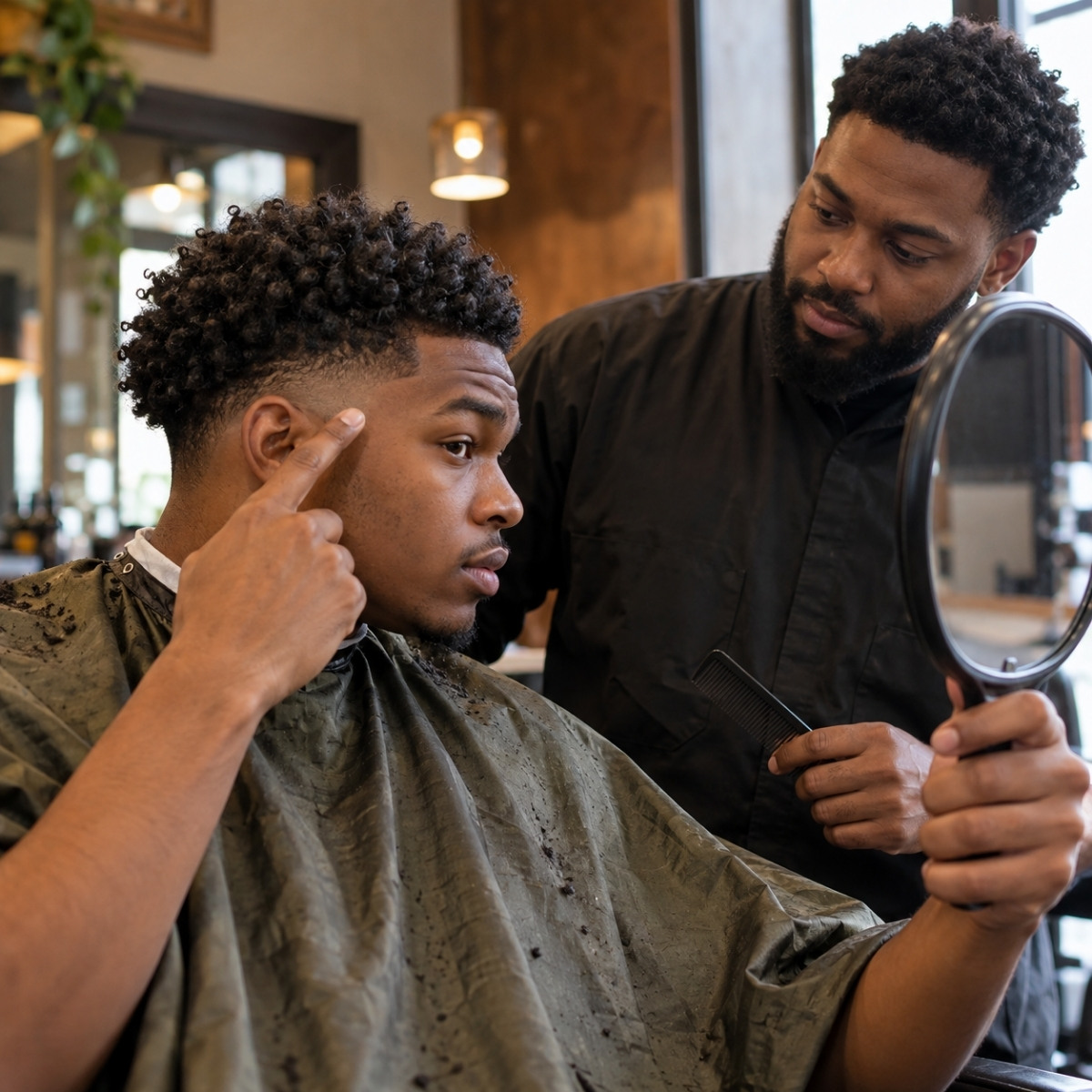
One of the best ways to learn barbering is to realize that a great cut starts with a great conversation. If a client asks for a “short taper,” I don’t just start cutting. I ask how high they want it and if they want to see skin. That short conversation is the difference between a qualified barber and someone who just owns clippers.

Is Barbering Worth It? Breaking Down The Numbers

Let’s be real: you’re probably wondering about the money and if the ramp-up reality is worth the stress.

What The BLS Pay & Outlook Data Actually Say

According to the BLS, the median hourly wage for barbers was $18.73 in May 2024.

If you do the math for a 40-hour week, that’s about $38,958 a year. But here is what the stats don’t show: tips, booth rental vs. commission models, and how fast you work. The BLS also projects the field to grow by 5% through 2034, with around 84,200 openings every year. So the demand is there; the “worth it” part comes down to your personal hustle and how well you retain your clients.

Steps To Becoming A Barber: Your Roadmap

The best way to get into barbering is to have a plan. Every state has its own quirks, but the general flow usually looks like this:

Step 1: Know Your Local Rules First

Before you spend a dime, check your state’s Board of Barbering or Cosmetology. You need to know the required hours and exam types. For instance, South Carolina has specific training requirements and licensure steps that you must follow strictly to avoid expensive mistakes.

Step 2: Pick Your Training Path (School vs. Apprenticeship)

How you learn matters. Most people go one of two ways:

  • Barber School: This is the most structured route. You get a set curriculum, plenty of practice on mannequins and real clients, and a clear path to your hours.
  • Apprenticeships: Some states, like California, allow you to earn a wage while you train under a licensed pro. This is great if you prefer the “sink or swim” pace of a real shop.

Step 3: Nail the Core Skills

To become a qualified barber, you have to move past the “basics.” You need to be obsessed with:

  • Sanitation and safe habits (this is a major part of professional standards).
  • Clipper fundamentals and guard transitions.
  • Scissor work for shape, balance, and a clean finish.
  • The consultation (the “soft skill” that makes you the most money).

Step 4: The Big Exam

Most states require a theory and a practical exam. Treat the sanitation portion of the test as a major topic—boards don’t mess around with safety.

Step 5: Get The License and Start Grinding

Once you have that paper, your goal is simple: be consistent and get faster without getting sloppy. This is where the real learning starts.

Is Barbering Easy To Learn Or Hard To Learn?

Honestly, it’s both. It is easy to start because you can pick up a pair of clippers and see progress quickly. However, it is hard to learn at a professional level because every head shape and hair texture is a new challenge.

I’ve found that the “learning curve” usually goes like this:

  1. Your hands feel clunky and awkward.
  2. Your results are hit-or-miss.
  3. You become reliable and “clean” with the basics.
  4. You become fast and confident.

How To Learn Barbering Fast Without Cutting Corners

If you want to speed things up, focus on:

  • Doing the same drills until they’re muscle memory.
  • Asking for feedback from people better than you.
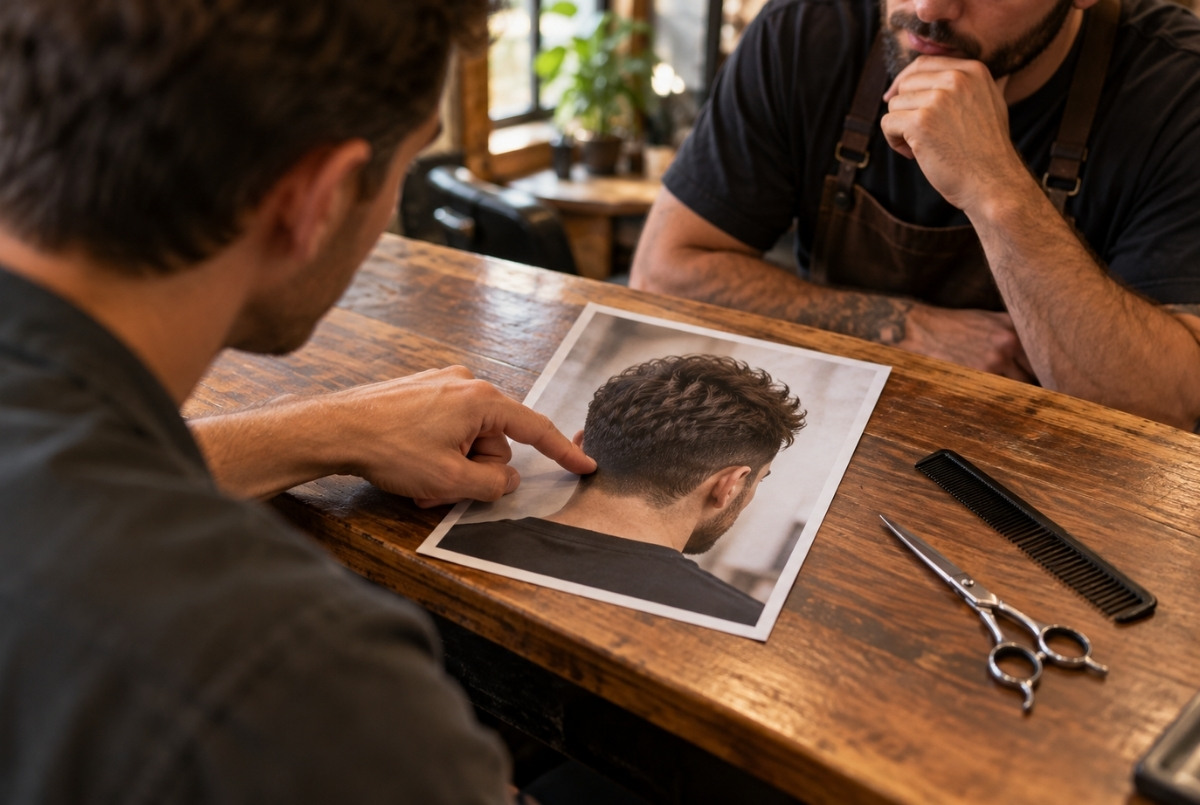
  • Practicing the consultation using photos so you know exactly what the client wants.

Learning At Home Or Online: What Helps

You can definitely get a head start at home. Practicing on mannequins, studying tool maintenance, and learning the theory behind hair growth patterns are all great “prep” steps. Just remember that licensing rules still apply, and you usually can’t get a license just by learning barbering online—you’ll almost always need to complete hours at an approved school.

Your Next Step: Start Your Journey At Aiken Beauty & Barber School

If you’re ready to stop researching and start doing, I’d love to help you get moving. Taking the first step is always the hardest part, but having a supportive environment makes all the difference.

If you want to see how the enrollment process works or what you need to get started, you can find out more in Enrollment.

I’m also happy to answer any specific questions you have about our community or what the daily life of a student looks like. Just leave your details in the contact form right below this article, and we’ll get in touch to chat about your goals and how we can help you reach them!