


Can You Open or Own a Salon Without a Cosmetology License Legally?

The salon industry is no longer a small local-only business space. It is a major global market, with Custom Market Insights estimating the salon market at 249 billion dollars in 2026. For someone who wants to invest in a salon, open a beauty space, or eventually build a recognizable brand, that number can feel exciting.
Still, before you sign a lease or start buying styling chairs, one question matters a lot: do you personally need a cosmetology license to own the salon?
The answer is not always as scary as people think. In many states, ownership and hands-on beauty work are treated differently. But there are still serious rules around licensing, inspections, sanitation, staff credentials, and what an unlicensed owner can and cannot do inside the business.
Quick Answers Before You Open a Salon
- You can often own the business: Many states allow someone to own the salon entity, lease, equipment, or brand without personally holding a cosmetology license.
- You cannot perform licensed services: An unlicensed owner should not step behind the chair, apply color, cut hair, perform nail services, or provide regulated skin care services. In California, unlicensed activity and employing unlicensed workers can lead to fines of up to $1,000.
- The salon itself usually needs approval: A shop, salon, establishment, or similar facility license is usually required before the business can serve clients. This is different from a personal license and may also be separate from a city or county business license.
- Training still gives owners an advantage: A licensed owner can better understand technical work, sanitation, staff performance, product usage, and service quality instead of depending completely on hired professionals.
Do Salon Owners Need Their Own Cosmetology License?
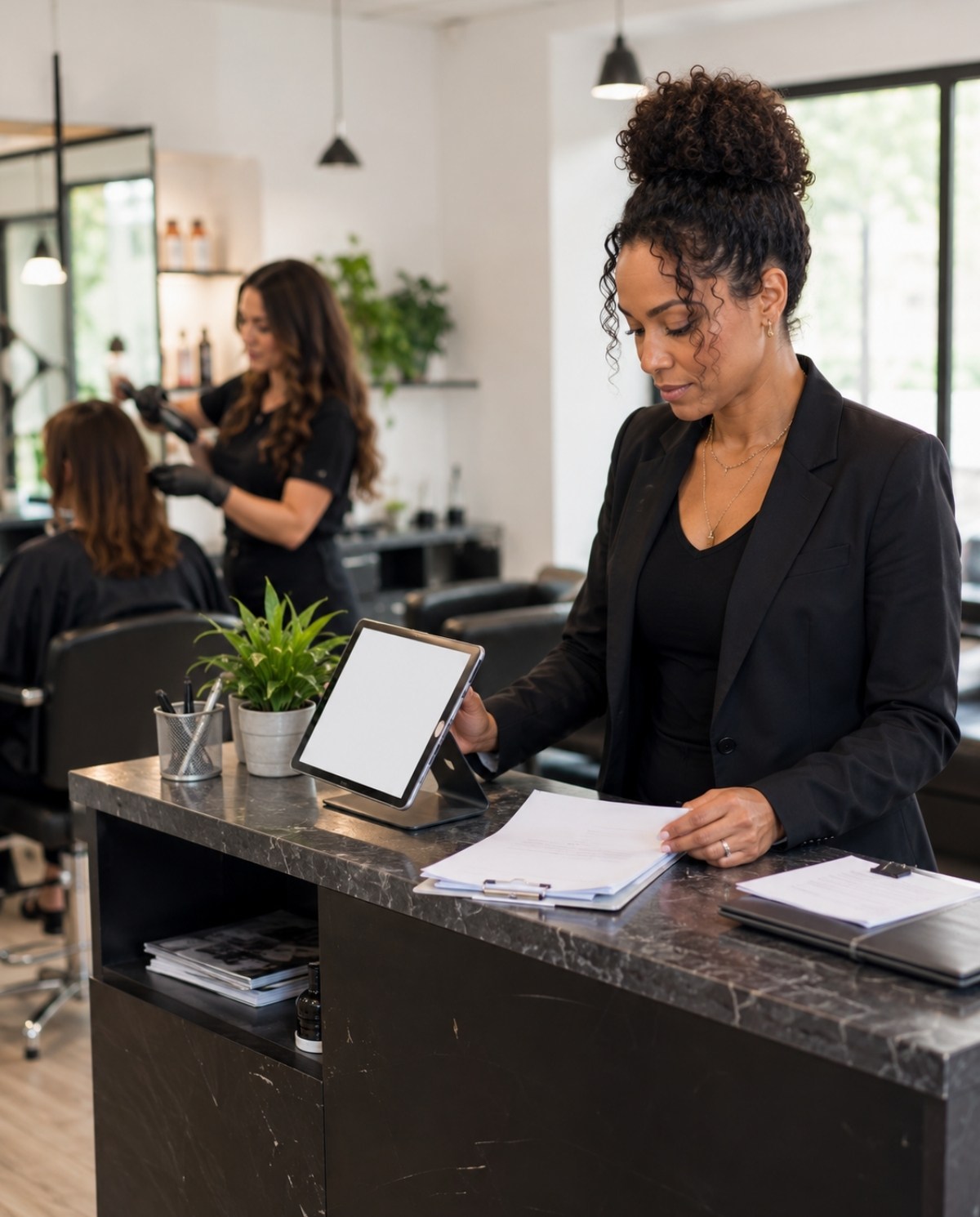
In many places, no. You can usually be the business owner, investor, landlord, marketer, payroll manager, or brand builder without personally becoming a licensed cosmetologist. State boards often separate the person who owns the company from the person who performs beauty services.
That separation is important. Owning the salon does not automatically give you the right to practice cosmetology. Your legal limit is called your scope of practice, which means the services your license allows you to perform. If you do not have an individual beauty license, you cannot jump in to shampoo a client, trim hair, mix and apply color, perform nail services, wax, or provide skin care treatments just because the salon is busy. For more detail on what unlicensed workers may legally do, you can read our guide on jobs without a cosmetology license and what you can legally do.
California gives a clear example of how expensive that mistake can become. The official California Board of Barbering and Cosmetology Act and Regulations lists a $1,000 administrative fine for working as an unlicensed individual. It also lists a $1,000 fine for an establishment license holder who employs unlicensed persons.
So the issue is not simply owning a salon. The issue begins when an unlicensed owner crosses into regulated work, service-area duties, or staff activity that the state expects to be handled by properly licensed professionals.
This also creates a real business problem. If your stylist calls out, you cannot legally take the client yourself unless you hold the correct license. That means missed appointments, frustrated customers, and lost revenue. A licensed owner has more flexibility because they understand both the business side and the technical side of the salon.
The Two License Categories Every Salon Owner Should Understand
Before opening, you need to separate personal licensing from business licensing. A personal cosmetology, barber, esthetician, or nail license belongs to the individual worker. A salon, shop, establishment, or facility license belongs to the physical location where services are offered.
That difference matters because having one does not automatically replace the other. A licensed cosmetologist may still need a properly licensed salon location. An unlicensed investor may be allowed to own the business, but the business still needs the right approval before clients can be served.
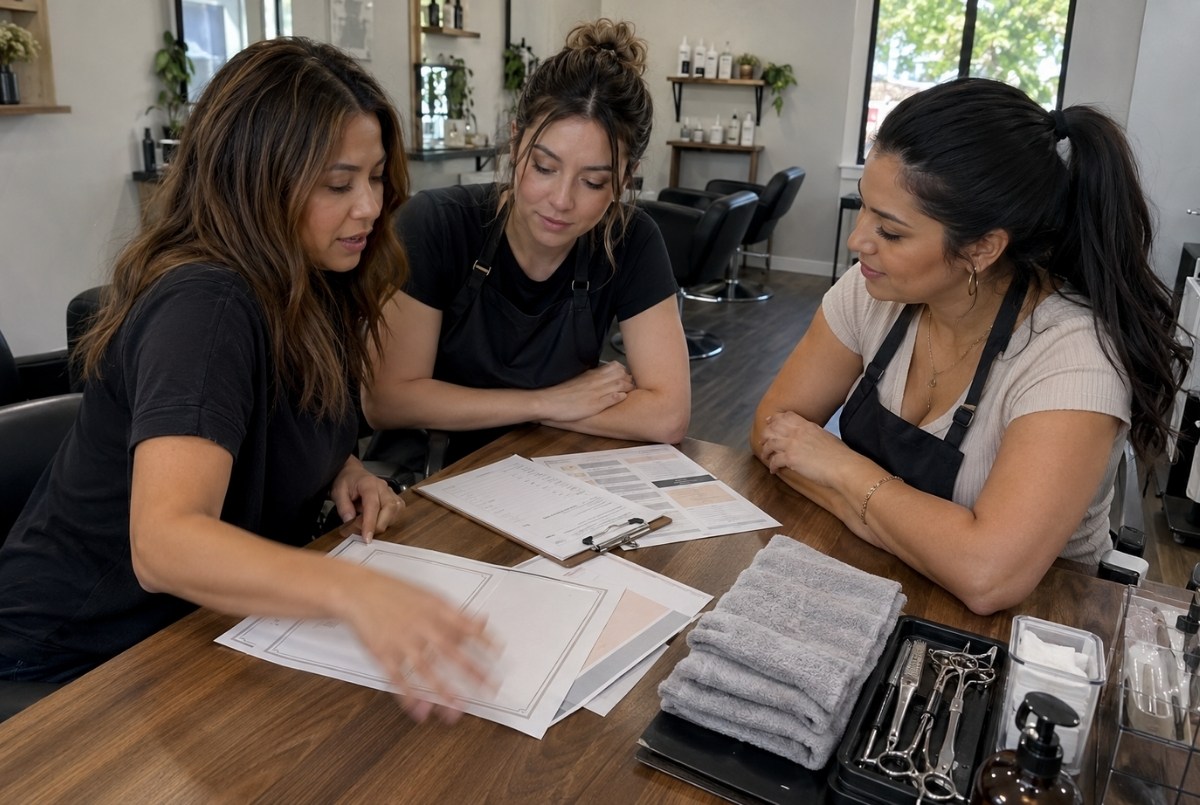
How an Establishment License Works
An establishment license is the state-level approval for a salon location. The exact name depends on the state, but the purpose is usually the same: the state wants to know that the business location is safe, sanitary, properly equipped, and ready for regulated services.
An application may ask for owner details, business-entity information, a lease or bill of sale, facility layout, equipment setup, plumbing, ventilation, restroom access, sanitation supplies, posted licenses, signage, and inspection readiness.
A simple way to look at it is this: your local business license allows you to operate as a business in your city or county, while your salon or shop license allows that location to operate as a regulated beauty establishment. Those are not always the same thing. The Georgia State Board of Cosmetology and Barbers explains that a salon/shop license is not the same as a business license, and owners must obtain a business license from the city or county where the establishment is located.
Because Aiken Beauty and Barber School is in South Carolina, it is also useful to look at South Carolina’s structure. Under the South Carolina Code of Laws for cosmetology, a person, firm, corporation, or association may apply to the board for a salon license. Once approved, the salon license must be displayed in a conspicuous place, is valid only for the named location, and is not transferable.
Rules Change Quickly From State to State
Salon rules are not identical across the country. One state may allow a certain ownership setup, while another may require extra paperwork, inspections, postings, or facility conditions. Before you choose a location, you need to check the cosmetology board or licensing agency for that specific state. You can also review our guide to cosmetology license requirements by state to better understand how training hours, exams, renewals, and transfer rules may vary.
Texas is a good example of how detailed the rules can get. The Texas Department of Licensing and Regulation says an establishment that rents space to mini-establishments is called a gallery establishment. Texas also says establishments that lease space must include an Independent Contractor List with application materials and are responsible for maintaining common areas. That means a salon-suite model is not just a simple rent collection setup. It can come with regulatory duties.
Texas also requires public-safety signage. Under Texas Occupations Code Section 1603.356, licensed schools and establishments must display an approved or acceptable human-trafficking information sign. The required sign must be in English, Spanish, Vietnamese, and any other language required by commission rule. The TDLR human trafficking notice further explains that the sign must be posted in a prominent location where the public can see it.
Georgia shows another side of the paperwork process. The Georgia State Board of Cosmetology and Barbers salon/shop application requires items such as a lease or bill of sale, a notarized application and affidavit, secure and verifiable identification documents, and a separate owner affidavit for each owner. Georgia also states that the business name must include the word "salon" or "shop" and must not mislead the public about the type of establishment being operated.
Arkansas puts many salon rules directly inside its public health framework. The Arkansas Department of Health Rules for Cosmetology and Body Art require cosmetology establishments and mobile salons to obtain a current establishment license before operating. The rules also address practical facility standards such as continuous hot and cold running water, approved sewage disposal, toilet facilities, plumbing, garbage control, cleanliness, ventilation, and general repair.
The lesson is simple: never assume a salon space is legal just because it looks beautiful. The building, setup, license, signage, and sanitation plan all need to match the rules in your state.
What Can Go Wrong If You Ignore Licensing Rules?
Trying to shortcut the rules can put the entire business at risk. Some owners think they can let a friend do services temporarily, allow an unlicensed assistant to help with regulated work, or delay licensing until after the salon starts making money. That is a dangerous way to open.
State boards may inspect salons, investigate complaints, and respond to reports from clients, employees, competitors, or the public. Violations can lead to fines, discipline, business disruption, and reputation damage.
The California Board of Barbering and Cosmetology enforcement page lists complaint areas such as unlicensed practice, unsanitary conditions, gross negligence, incompetence, and misrepresentation of services. These are not small issues for a new salon. A single serious violation can make clients question whether your business is safe and professional.
Beauty services also involve more health and sanitation concerns than many new owners realize. Hair color, chemical texture services, waxing, skin care, nail services, disinfection, product handling, and tool storage all carry safety responsibilities. California’s rules, for example, define skin care services to include facials, exfoliating, cleansing, and beautifying the skin, but only when the service does not cause the ablation or destruction of live tissue. That type of boundary matters because out-of-scope services can create legal and liability problems for both the worker and the business owner.
A safer approach is to treat compliance as part of your opening budget, not as an afterthought. Verify every worker’s active license, keep license copies organized, post required documents, review sanitation procedures, confirm insurance coverage, and check your state board’s inspection expectations before your first client walks in.
Why Beauty School Can Make You a Stronger Business Owner
Even when your state allows unlicensed ownership, getting licensed can still be a smart business move. A salon owner does not need to personally perform every service, but they do need to understand what good work, safe work, and profitable work look like.
If you have no technical background, you may have to rely completely on staff or managers to explain service timing, product use, client complaints, sanitation standards, and performance problems. That can create blind spots. A licensed owner is better prepared to ask the right questions and make better decisions.

Better Operations Start With Better Industry Knowledge
According to SalonIQ, high-performing salons in 2026 are paying close attention to client retention, client frequency, operational efficiency, and data-led decision making. In plain terms, a busy salon is not automatically a healthy salon. Owners need to know why clients return, why they leave, which services are profitable, and whether the team is turning appointments into long-term relationships.
Technical education helps with those decisions. A trained owner can better evaluate consultations, color formulation choices, service timing, sanitation habits, rebooking conversations, retail recommendations, and product waste. Without that foundation, it is harder to know whether a staff issue is a training problem, a pricing problem, a technique problem, or a compliance risk.
When you understand the services your team performs, you also gain credibility. Staff members are more likely to respect an owner who understands the craft. You can speak the same language, plan inventory more accurately, and recognize when a service is being done safely and professionally. Earning a license can also open the door to other beauty-industry options, including the many paths you can take with a cosmetology license.
Training Requirements Are Not the Same Everywhere
Some future salon owners worry that beauty school will slow down their business plans. That concern is understandable, especially when licensing hours vary by state. However, the education landscape can change, and proposed rule changes are not always final. That is why you should always check current board rules before making a decision.
For example, the North Carolina General Assembly introduced Senate Bill 808 in recent legislative sessions. The bill proposed reducing required cosmetology school hours from 1,500 to 1,200 and changing apprentice-licensure rules. That example shows how some states are reconsidering beauty education requirements, but a proposed bill should never be treated as final law unless it is officially enacted.
A modern cosmetology pathway does more than prepare you for a license. It can help you understand service quality, sanitation, client care, technical standards, and the real workflow of a salon. After school, your next steps may include preparing for exams, getting licensed, applying for jobs, building a portfolio, or planning a future business. If you are mapping out that path, our guide on what happens after cosmetology school can help you understand the early career process.
Build the Skills Before You Build the Salon
A profitable salon needs more than startup money. It needs leadership, service knowledge, compliance awareness, and a clear understanding of how beauty professionals actually work. If your long-term goal is to own or manage a salon, the right education can give you a stronger foundation before you take on the risk of a lease, employees, inventory, and inspections.
At Aiken Beauty and Barber School, students can explore beauty training in an environment focused on hands-on career preparation. If you are considering the ownership path, a technical education can help you understand the craft, communicate with licensed professionals, and make smarter decisions when building a compliant beauty business.
You can visit the Enrollment page to learn how to begin. You can also schedule a campus tour, meet instructors, observe students in action, ask questions about programs and scheduling, and discuss available financial aid options during the application process.
FAQ: Salon Ownership and Licensing Questions
Can an esthetician own a full-service hair salon?
Yes, an esthetician may be able to own the business in many states. However, their individual license usually only allows them to perform services within their legal scope, which is typically skin care-related. If the salon offers hair, barbering, nail, or other regulated services, those services must be performed by properly licensed professionals based on state law.
What insurance should an unlicensed salon owner consider?
Most salon owners should discuss general commercial liability, property coverage, and professional liability coverage with an insurance agent. If the business uses employees, booth renters, or independent contractors, the owner should ask how the policy handles each worker type. It is also important to keep proof that every person performing regulated services has an active license for those services.
Can I sell professional hair color or chemical products without a cosmetology license?
It depends on the product, supplier, and state rules. Some professional-only brands or distributors may require a licensed professional account. General retail cosmetic products may be allowed if they are legally sourced, properly labeled, and sold according to applicable law. The FDA explains that most hair dyes are regulated as cosmetics, and cosmetic products generally do not need FDA premarket approval, although color additives and labeling rules still matter.
Selling a product is not the same as applying it to a client. Even if a product can legally be sold at retail, an unlicensed person still should not apply hair color, chemical texture products, lash or brow dye, skin treatments, nail products, or any other regulated service on a client.
One thought on “Can You Open or Own a Salon Without a Cosmetology License Legally?”