


After a Barber Haircut? How to Handle Itching, Redness, and Bumps
Essential Aftercare Tips
- Wash Off Stray Hairs: Rinsing your neckline with lukewarm water can clear away prickly clippings. Use a gentle cleanser if needed, and avoid rubbing sensitive areas.
- Look Beyond Tool Cleanliness: Ingrown hairs trigger razor bumps, whereas bacterial folliculitis involves an infection. Both can appear together, so bumps alone do not reveal their cause.
- Choose Soothing Products: A fragrance-free moisturizer can ease dryness and tightness. Salicylic acid may help with recurring ingrown hairs, but keep it off broken, red, swollen, irritated, or infected skin.
- Request a Skin-Friendly Finish: Following the direction of hair growth, leaving skin unstretched, and reducing repeated blade passes can lower the risk of irritation.
- Safety Is Part of Barber Education: Aiken’s published barbering course outline includes infection control, equipment knowledge, skin and scalp disorders, and shaving instruction.
Stepping out of the barbershop with a clean lineup gives you a quick boost of confidence, but that feeling drops fast when your neck starts itching or breaking out. You might wonder whether the discomfort comes from razor burn, an ingrown hair, or an infection. Recognizing the possibilities helps you choose appropriate aftercare and decide when to seek medical advice. It also helps you describe previous reactions when discussing your haircut preferences with your barber.
Is a Post-Barbershop Shower Necessary?
You may want to preserve the style your barber created, especially if your hair has just been finished with pomade or gel. You do not need a full shower after every appointment, but removing stray clippings can make your neckline more comfortable.
Small pieces of cut hair collect behind your ears, around your collar, and along your hairline. Movement and clothing can press them against your skin, creating a prickly sensation. Rinsing those areas helps clear the hairs without vigorous scrubbing.
Choose lukewarm water and a mild cleanser where needed. To preserve your hairstyle, wash around your ears and neck rather than wetting your entire head. If styling products leave your scalp uncomfortable or coated with unwanted residue, a gentle shampoo can help remove them.
Washing serves a straightforward purpose here: removing loose hair and residue. An immediate shower does not guarantee protection against ingrown hairs or folliculitis.
Harvard Health Publishing recommends gentle skin cleansing, particularly after sweating, along with loose clothing and careful shaving to help reduce folliculitis risk.
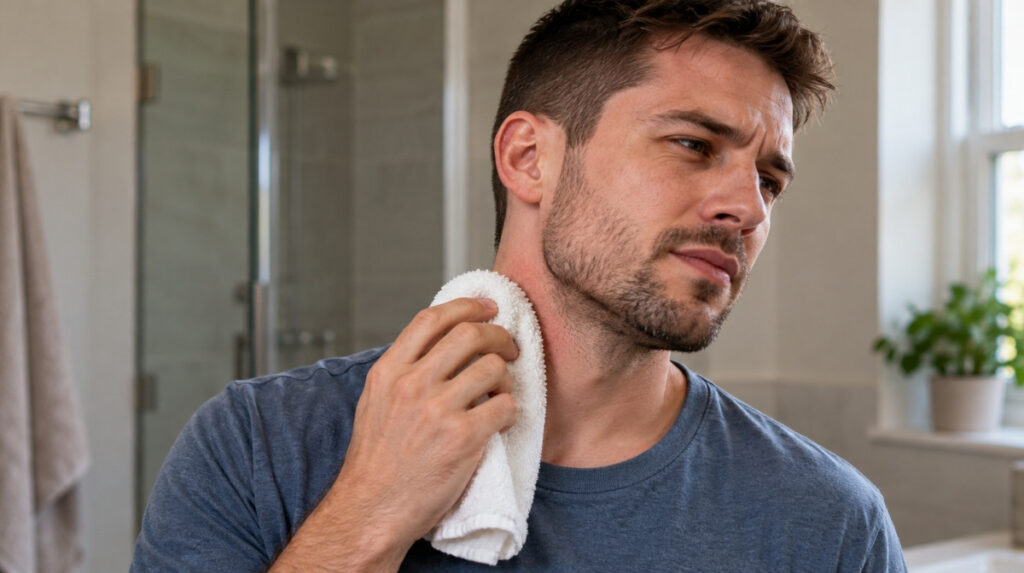
For skin that feels hot after a close shave, rest a cool, damp washcloth against the area. The Canadian Dermatology Association recommends this approach to calm freshly shaved skin and limit swelling. Cooling provides comfort; it does not close pores to keep bacteria out.
What Could Be Causing Your Post-Cut Reaction?
Itching, redness, and small bumps can follow shaving irritation, ingrown hairs, sensitivity to a product, or inflammation involving the follicles. These reactions may overlap, making appearance alone an unreliable way to identify the problem.
A blotchy, burning rash that develops shortly after shaving may be razor burn. Dry shaving, excessive pressure, repeated strokes, and irritating products can contribute. Cleveland Clinic explains that a moving razor blade can cause tiny cracks in the outer skin layer, accompanied by hydration loss and inflammation.
The type of service matters too. A guarded clipper cut does not interact with skin in exactly the same way as a close razor shave. Your response also depends on your sensitivity, the products used, and the barber’s technique.
Pay attention if discomfort repeatedly follows the same aftershave, shaving cream, or finishing product. Stop using the suspected product and tell your barber about the pattern. A reaction that continues or becomes worse should be assessed rather than treated with a succession of unfamiliar products.
Ingrown Hairs and Infected Follicles Need Different Consideration
Finding bumps after an appointment does not automatically mean the equipment was dirty. Proper disinfection remains essential, but it cannot prevent every reaction associated with close hair removal.
Pseudofolliculitis barbae is the medical name for razor bumps. It develops when a cut hair penetrates nearby skin, either by growing outward and curving back in or by retracting beneath the surface after close shaving. Coarse, tightly curled hair is particularly susceptible.
Bacterial folliculitis, by comparison, involves bacteria infecting a follicle. Staphylococcus aureus is a common cause. Shaving irritation may increase vulnerability, but an infection does not establish where the bacteria originated.
DermNet explains that pseudofolliculitis and infectious folliculitis can coexist. Ingrown hairs produce an inflammatory reaction, and the affected follicles may subsequently become infected.
Changing shaving habits can help manage razor bumps, although persistent or severe cases may need medical treatment. Repeated or worsening folliculitis also warrants professional assessment so treatment can address the actual cause.
Recurring Neckline Bumps Should Not Be Dismissed
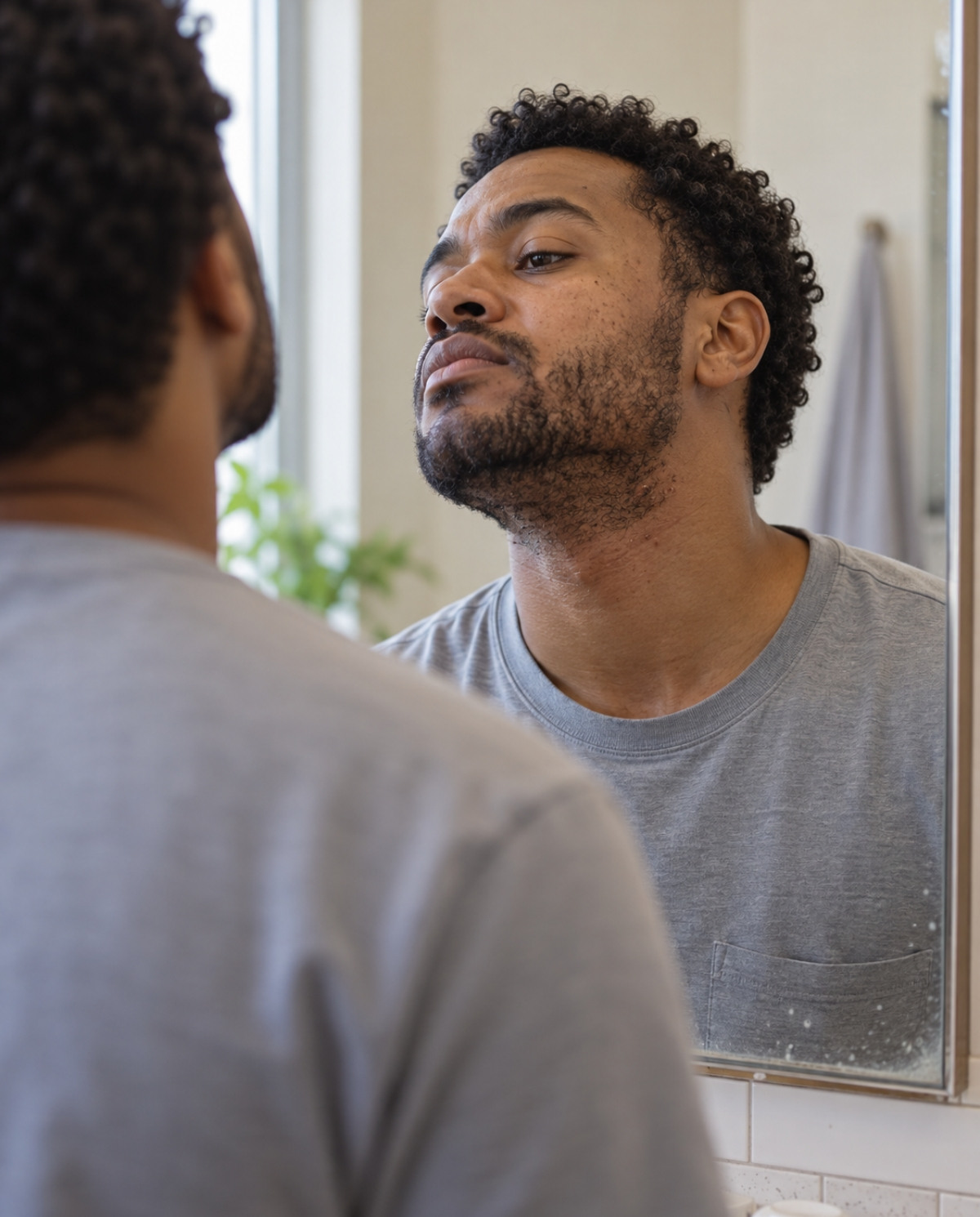
Repeated outbreaks at the back of the scalp may involve more than ordinary ingrown hairs. Acne keloidalis nuchae can produce acne-like bumps, thickened scars, and permanent hair loss in the affected area.
The American Academy of Dermatology identifies close haircuts, rubbing collars, and scratching as factors that can aggravate this condition. Seeking care early matters because established scarring makes treatment more difficult.
If the same patch repeatedly develops firm bumps, raised scars, or thinning hair, avoid close shaving over it and book a dermatology appointment.
Build an Aftercare Routine Around Your Skin’s Condition
A comfortable neckline that occasionally develops ingrown hairs has different needs from skin that is already burning or inflamed. Let the condition of the area guide your next step.
For dryness or tightness, gently apply a fragrance-free moisturizer that suits your skin. Ceramides can support the protective skin barrier, while hyaluronic acid helps retain moisture.
Rich creams and petroleum-based products do not need to be excluded automatically. The American Academy of Dermatology recognizes petroleum jelly as useful for dry skin and minor injuries. Product choice should still account for the area being treated and whether you tend to break out. A noncomedogenic moisturizer is an option for breakout-prone areas.
Aftershave deserves the same attention. Cleveland Clinic advises avoiding alcohol, fragrance, and other irritating ingredients when treating razor burn. Stinging may indicate that an ingredient is irritating your skin; it does not show that the product is helping.
While irritation settles, keep your routine straightforward: cleanse gently, use a cool washcloth for comfort, and apply a moisturizer you already tolerate. Allow the affected area to recover before shaving it again.
Consider Exfoliating Acids Only When Appropriate
Some people with recurring ingrown hairs benefit from an exfoliating product. That does not make exfoliation a required step after every haircut or a substitute for moisturizing.
The Canadian Dermatology Association suggests considering a lotion or gel containing 1–2% salicylic acid or 5% glycolic acid the day after shaving. These ingredients help keep the skin around regrowing hairs smooth and reduce entrapment.
Waiting until the following day is not enough if your skin remains sore or inflamed. Its condition takes priority over the timing.
MedlinePlus advises against using topical salicylic acid on broken, red, swollen, irritated, or infected skin. Follow the product instructions and discontinue use if irritation develops. Ask a pharmacist or dermatologist before combining it with other acne medicines or exfoliating treatments.
Make Your Next Appointment Easier on Your Skin
Reducing post-cut discomfort starts during the service. Aftercare may soothe your skin, but a routine that repeatedly involves excessive pressure or an overly close shave can keep the problem going.
The American Academy of Dermatology recommends softening hair before shaving and moving in the direction of growth. A moisturizing shaving cream can reduce friction between the blade and skin.
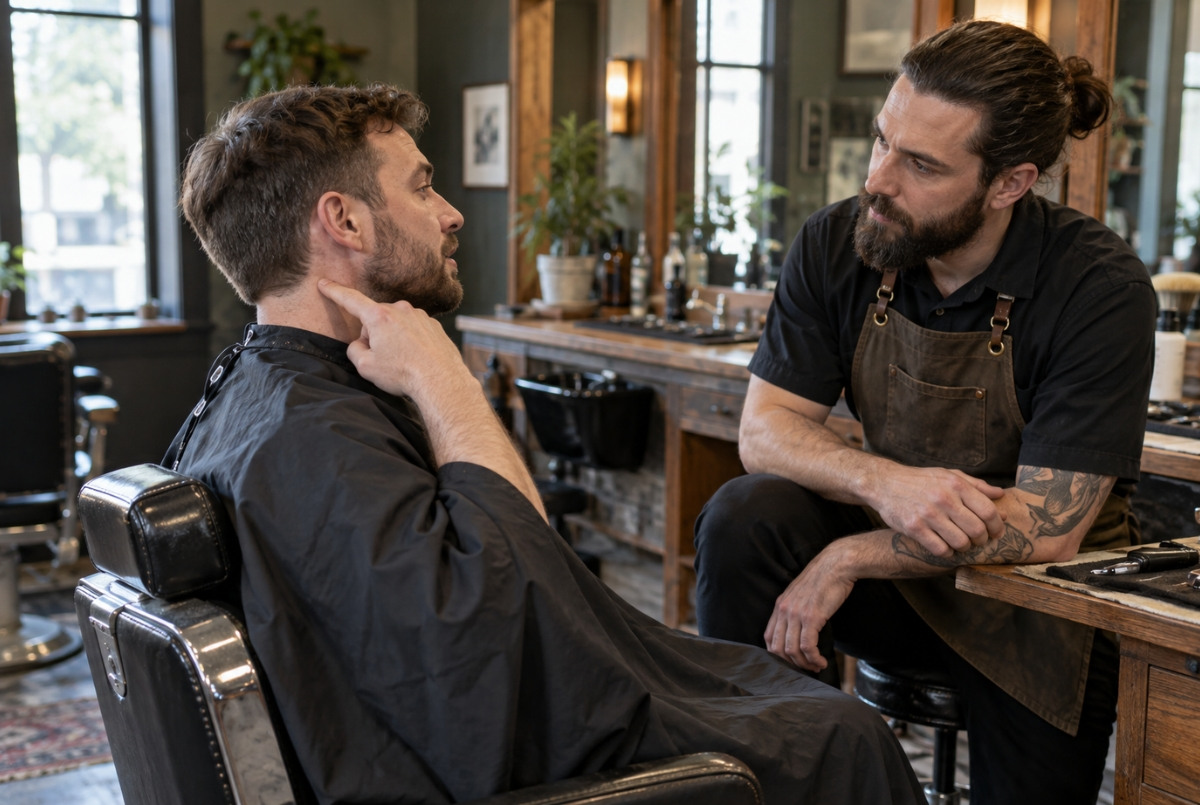
Tell your barber if razor lineups or skin-level finishes have caused problems before. Ask about avoiding skin stretching and limiting repeated strokes. Shaving against the grain can produce a closer finish, but it may also increase irritation and ingrown hairs.
Leaving some length can be helpful when smooth shaving repeatedly triggers beard-area bumps. DermNet lists leaving approximately 1 mm of stubble among its preventive measures. A guarded clipper finish may therefore be more comfortable for a sensitive area.
The same considerations apply between appointments. Understanding how to trim your hair at home without removing too much includes maintaining your tools, controlling pressure, and recognizing when a closer finish is irritating your skin.
Once the service is over, leave tender spots alone rather than picking or rubbing them. Choose collars that do not scrape the neckline, and keep towels and pillowcases clean as part of your usual hygiene routine.
If exercise makes a freshly shaved area sting, reduce the activity that aggravates it until the skin settles. Gently cleanse after sweating. These steps support comfort and cleanliness, although they cannot eliminate every possibility of infection.
Remember Sun Protection After a Shorter Cut
Removing more hair may uncover areas of scalp that previously had greater coverage. Include those areas in your sun-protection routine, along with your ears, hairline, and neck.
The American Academy of Dermatology recommends broad-spectrum, water-resistant sunscreen with SPF 30 or higher. Reapply every two hours while outdoors and after swimming or sweating.
A suitable hat can provide additional coverage. Check that its band or edges do not repeatedly rub any irritated skin.
Where Skin Safety Fits Into Barber Training
Learning to barber involves more than shaping a haircut. Infection control, equipment handling, and knowledge of skin and scalp conditions help students understand how to work responsibly around clients.
Aiken School of Cosmetology and Barbering’s published Master Barber course outline includes infection control principles, implements and equipment, skin disorders, hair and scalp conditions, and shaving. It organizes the program into an initial 280-hour junior level followed by senior-level study that includes clinic-floor applications.
Consultation connects that education to the person in the chair. Asking about previous reactions, troublesome products, and recurring bumps gives a barber useful information before deciding how closely to cut or shave an area.
Recognizing a concern does not authorize a barber to diagnose or treat it. South Carolina’s barber regulations prohibit barbers from undertaking to treat skin disease. A concern that needs medical evaluation should be referred to an appropriate healthcare professional.
Tool Care Requires More Than a Clean Appearance
Cleaning removes hair, residue, and other debris. Disinfection is a separate process used to address microorganisms on reusable equipment. A tool that looks clean has not necessarily completed both steps.
South Carolina’s sanitary rules address equipment hygiene and disinfection between clients. Students need to learn the applicable procedures and follow disinfectant instructions rather than assuming that wiping a tool or putting it into a cabinet is sufficient.
A UV storage cabinet should not be treated as a substitute for the required cleaning and disinfection process. Reusable implements must receive appropriate treatment before they are stored for another service.
Scalp Services Make Sound Professional Judgment Valuable
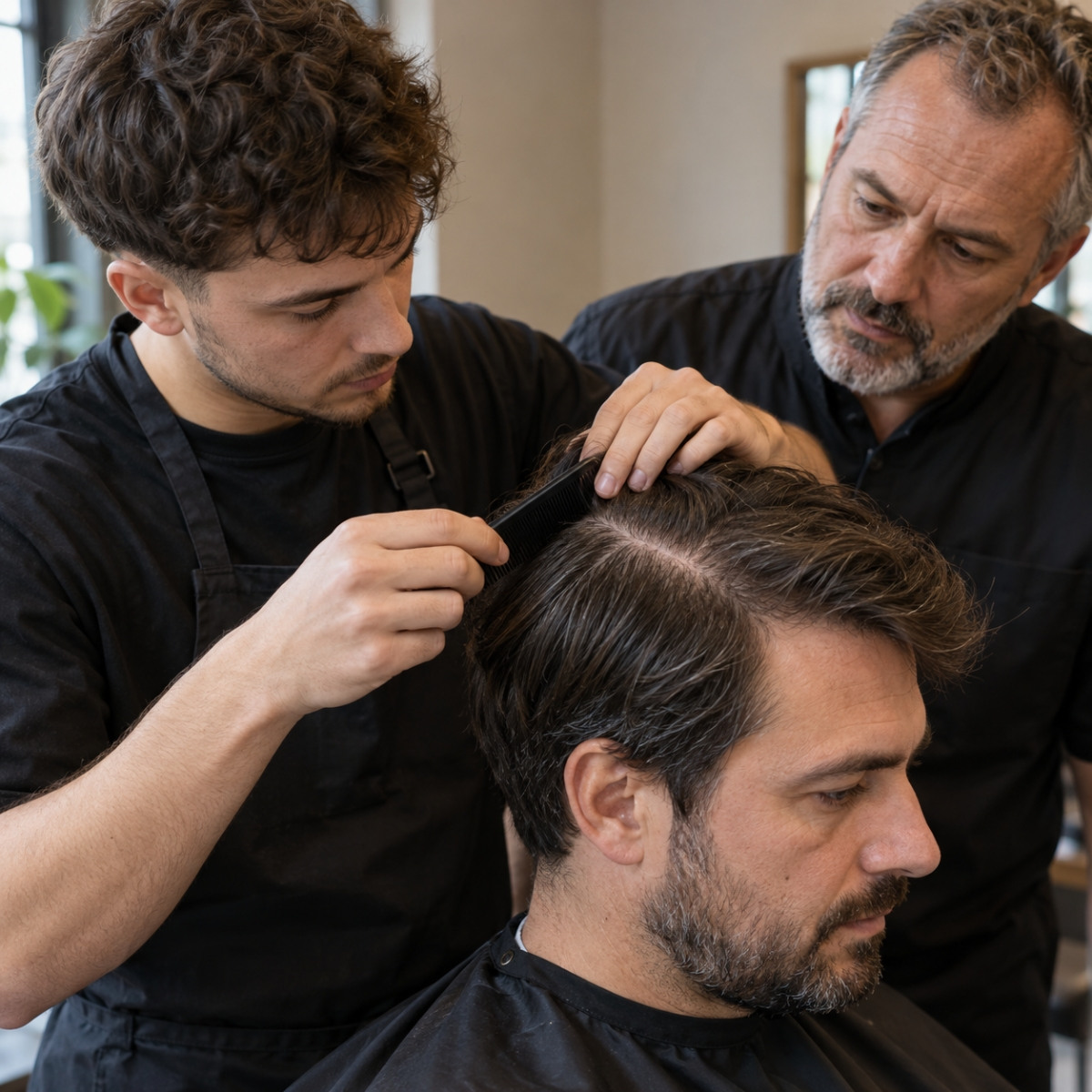
Scalp care is receiving attention within the beauty industry. America’s Beauty Show discusses scalp treatments and specialized products in its 2026 overview of beauty trends.
An industry trend does not establish that every advertised treatment is effective or suitable for every client. For a developing barber, the useful foundation is learning to observe carefully, choose appropriate products, work safely, and recognize concerns that require referral.
Professional education can help students develop those habits alongside their technical skills. Future career outcomes also depend on experience, location, continued skill development, and business practices.
Your Post-Haircut Questions Answered
When should post-shave irritation start improving?
Mild razor burn usually lasts from a few hours to a few days. Keep care gentle and leave the affected area unshaved while it recovers.
For suspected folliculitis, the Canadian Dermatology Association recommends seeing a doctor if the condition worsens or has not resolved within three days. Continuing bumps may have several causes, so treatment should follow an assessment rather than an assumption that bacteria are responsible.
Is it okay to moisturize immediately after a fade?
Yes. If the skin feels dry or tight, gently apply a fragrance-free moisturizer you have used comfortably before. Consider a noncomedogenic product for areas prone to breakouts, and stop if it causes burning or makes irritation worse.
Why do bumps appear despite properly disinfected tools?
Close shaving can leave hairs that grow into nearby skin, especially when the hair is coarse or curly. Clothing friction and reactions to products may also contribute to post-cut discomfort.
Disinfected equipment remains essential, but it cannot prevent every ingrown hair or product reaction. Repeated neckline bumps accompanied by scarring or hair loss should be assessed medically.
Does every haircut need a salicylic acid treatment?
No. Salicylic acid may help some people who repeatedly develop ingrown hairs, but routine haircuts do not automatically call for it. Avoid applying it to broken, red, swollen, irritated, or infected skin, and use it only as directed.
What safety subjects do barbering students study?
Aiken’s published course outline includes infection control, equipment knowledge, skin and scalp disorders, and shaving instruction. It also lists clinic-floor applications and State Board preparation as students progress through the program.
Take Your Interest in Barbering Further
Develop your interest in grooming into practical skills through Aiken School of Cosmetology and Barbering’s hands-on barbering program. The school lists client retention, salon business, and State Board preparation among its training topics.
Visit the Enrollment page to learn about admission requirements and next steps.
Use the contact form below to schedule a campus tour, meet instructors, and discuss how the program fits your career goals.